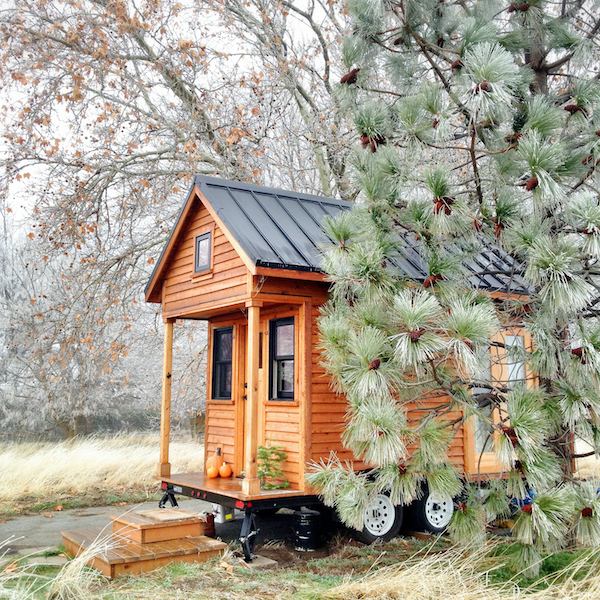
As the days grow shorter and temperatures dip, tiny home owners need to prepare for the upcoming fall and winter seasons. Ensuring your tiny home is ready for colder weather helps maintain safety and comfort and enhances energy efficiency and longevity.
Stay Energy Efficient
One of the most vital aspects of fall home maintenance is keeping the home energy efficient. Start by inspecting your tiny home’s insulation. Keeping your home sealed properly prevents heat loss and reduces energy costs, allowing you to maintain a cozy atmosphere. Check the insulation around walls, doors, and windows to find any gaps or cracks that may let cold air in. If needed, add more insulation material or caulk to seal leaks. If you live off the grid, these steps are very important and can directly affect your winter comfort.
HVAC preparations are crucial as well. Change or clean filters at the beginning of the season to ensure optimal airflow and efficiency. You might also want to have a professional service for your heating system, checking mechanical components and ensuring they work efficiently.
Additionally, consider programmable thermostats to regulate temperature without requiring manual adjustments, enhancing your energy savings.
Finally, check for any drafty areas in your tiny home. Weather stripping around windows and doors can protect your walls and keep you warm inside.
Ensure You’re Connected
Heating systems and smart home devices often rely on the internet these days, so you must work to keep the connection stable, especially if a blizzard happens to come your way. If a repair person can’t make it to your home in the thick home, they won’t fix your internet.
Utilizing a network management tool can help maintain optimal connectivity and performance in your tiny home. A network management tool allows homeowners to monitor their internet usage, identify devices that may be slowing down the connection, and manage potential network issues without needing tech-savvy. These tools can automatically scan your devices, sending alerts if something goes awry. For instance, if your smart thermostat is malfunctioning due to internet issues, you’ll be notified immediately, ensuring your home remains safe and comfortable.
Test Smoke and Carbon Monoxide Detectors
As temperatures plunge, heaters and other gas-fueled appliances generally increase, which necessitates ensuring that your smoke and carbon monoxide detectors are in tip-top shape. Begin by testing these alarms to confirm they’re working properly — most devices come with a test button that should be pressed monthly to ensure functioning.
Replace the batteries if they’re low or if the detectors have not been checked in a while. Experts recommend installing carbon monoxide detectors on every floor of your tiny home, particularly near sleeping areas. To further enhance safety, replace smoke detectors over ten years old, ensuring that detection equipment is consistently up to standard.
Inspect the Roof
Your tiny home’s roof is your first line of defense against the elements and never is that more true during fall and winter. A thorough inspection is essential to prevent leaks that can lead to mold and structural damage. Look for loose shingles, visible cracks, or signs of wear, and take immediate action to repair any issues.
If you have a flat roof, make sure drainage systems are clear of debris, such as leaves and twigs, to avoid water pooling, which can cause leaks during thawing periods. It’s also crucial to check the integrity of skylights or any roof-mounted installations, as these can also be prone to leaks if not properly maintained.
Take Care of Your Yard
Your yard needs just as much attention as your home when the seasons change. First, regularly rake leaves to prevent them from smothering your grass. Excess leaves can lead to fungal issues and hinder healthy grass growth in the spring. Consider mulching to protect plant roots during the colder months if you have a garden.
Outdoor furniture and equipment should be stored to protect against damage from snow and ice. If you have unheated outdoor plumbing, it’s crucial to winterize these systems by draining pipes and insulating those vulnerable to freezing. Additionally, if you have a garden hose, make sure to disconnect it and store it indoors to avoid any cracks due to freezing temperatures.
Finally, consider doing a final mow and aeration of your lawn before winter hits to promote healthy growth in spring. A healthy yard can be an asset to your tiny home’s environment and curb appeal.
Conclusion
Keeping your home protected from the elements is as essential for preventative maintenance as fixing leaks and building security. It will ensure your tiny home lasts a long while. While the process can be daunting, breaking it down into manageable tasks can make the process much smoother. From optimizing your home’s energy efficiency and connectivity to ensuring safety through tested detectors and late-season yard care, following this maintenance checklist will go a long way in keeping your tiny home safe, comfortable, and prepared for the cold months ahead.
Photo: Tammy and Logan’s tiny house