
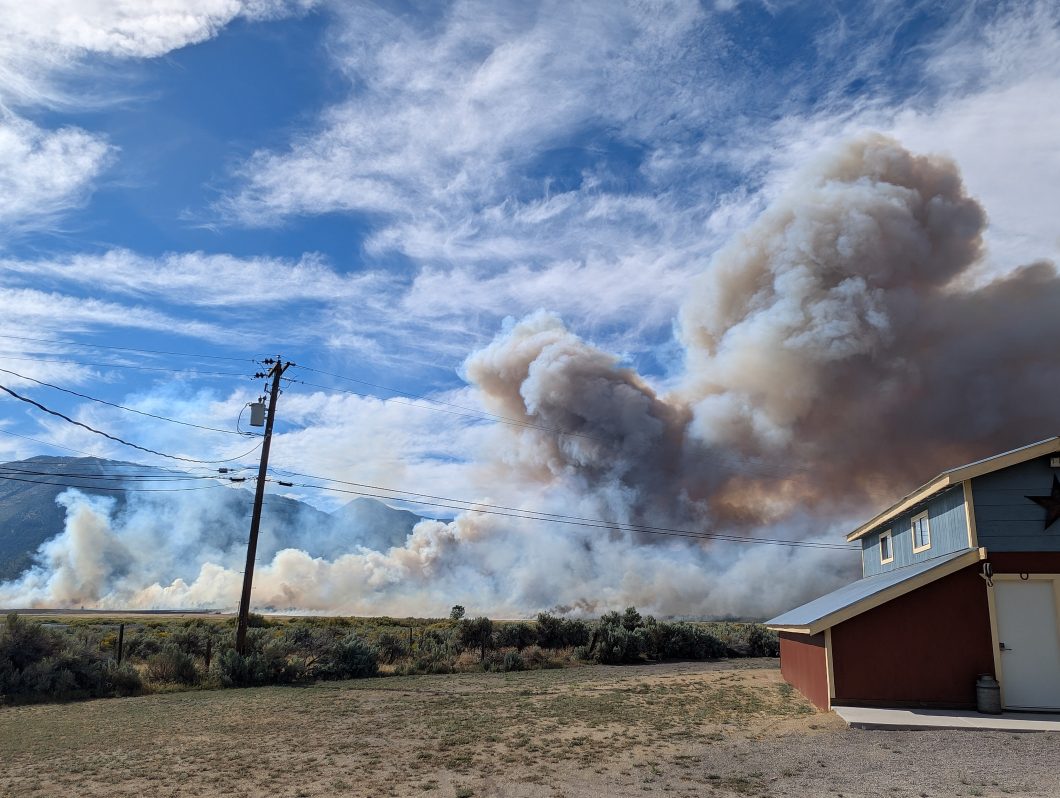
Several weeks ago we prepared to evacuate as a wildfire quickly blew toward our home.
I was woken up from a nap by my husband yelling that we needed to pack up and leave. In my groggy state, the first thing I thought about grabbing was a chapstick and a half-full bottle of water.
Disasters such as wildfires can flare up at any time.
Not bad for an initial response, but not my finest moment.
We were able to grab our family, pets, laptops, and important documents and pack up our camper and car in about 40 minutes. By that time the fire had blown away from us and we got very lucky and didn’t have to leave.
However, many people did not and they lost everything.
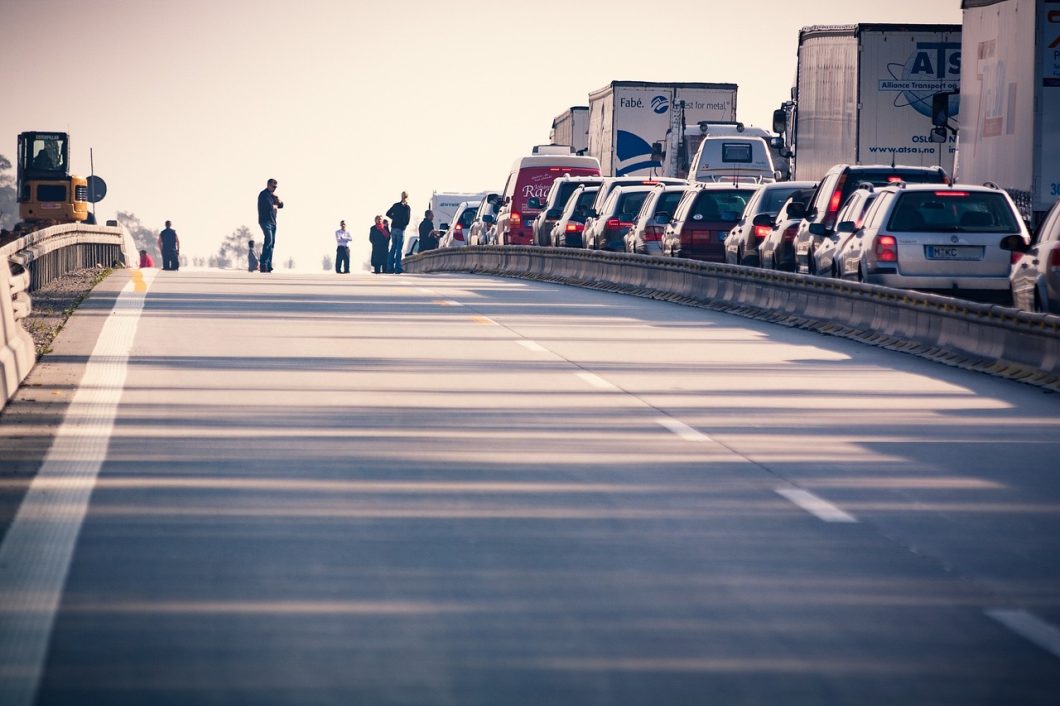
Unfortunately, this is the new world. With disasters like Hurricanes Helene and Milton taking so much away from people, I hope more of us are evaluating our evacuation plans and how to prepare for the worst in case it hits us head-on.
After the fire was extinguished and we were out of danger, I did a re-evaluation of our evacuation plan. I figured out where we got hung up and where we did well.
The key to most evacuation plans is to be organized. This means different things for different homes, families, situations, and disasters, but having all your ducks in a row will save time and stress when the inevitable does happen.
Are you ready for an evacuation?
This disaster also gave me a chance to (again) go through just about everything I own and decide whether or not I want to keep it or try to save it.
I realized I’m fine with losing most personal possessions. However, because I feel that way, is there a reason why I’m keeping these things in the first place?
I’m now in “disaster declutter” mode. I’m looking at everything and asking myself if I want to keep an item to maybe see it eventually taken away from me in a fire or flood.
This decluttering portion also helps with the organization portion. I’m in the process of re-building better disaster bags, organizing my office files for grabbing quickly, and keeping items on hand that help when disaster strikes.
From this reevaluation, I’ve come up with a few tips (with some help from some savvy YouTubers) that will hopefully help anyone who wants to be more prepared for the worst-case scenario.
6 Worst-Case Scenario Tips & Helpful Videos
Build a disaster bag
Whether you want to use the term “bugout bag”, “go bag”, or “hotel bag”, take some time to create one for you and each member of your family. In case you have to evacuate your home, you will want as much of the comforts of that home as you can carry. This means one or two changes of clothes, good shoes, warm or waterproof outer layers, food, water, charging cords and external batteries, cash, and medical and hygiene supplies.
Don’t ignore your evacuation vehicle
My husband is ex-military and he instilled in me the idea that half a tank of gas is an empty tank. The web is filled with stories of Hurricane Milton evacuees running out of gas. We always fill up at half a tank and keep our vehicles in good shape. We also use our vehicles as mini bugout bags and stock them with snacks, water, rescue gear, a pillow, and 12-volt blanket.
Corral any loose items into one bag
There is a reason that many women carry daily bags, purses, fanny, or sling bags. They corral all the important items we need during the day and we can grab them in an instant. Cell phone, wallet, keys, charging cords, glasses, and maybe that chapstick is in there. I also carry a small Swiss Army knife, flashlight, external battery, and tiny first aid kit.
Keep important documents in one place
After the fire, I spoke to other people who had to evacuate. The one issue that kept coming up was that most families did not know where other family members kept their important documents. Have a family meeting to decide what documents to grab and where they will be kept. Most importantly, backup your documents to the cloud or take photos of them in case they need to be replaced.
Protect your electronics
Your electronic items are your lifeline during an emergency. We rely so much on our phones, laptops, and even our key fobs to work correctly. I recently purchased some Faraday bags for our phones, laptops, and keys. They not only protect your data, but can also be fireproof and waterproof.
Anticipate disaster after effects
After our fire disaster, the power for the entire area was turned off for about two days for safety purposes. After living through blizzards and wildfires for years, we anticipate this and have a backup house battery. Our EcoFlow Delta Pro 3 and solar panel kept our fridge, wifi, TV, water pump, and lights running for those days. Every home should have some sort of portable backup battery or generator. The loss of power during disasters is becoming more common.
These days it pays to be vigilant and prepared, but don’t be paranoid. Continue to live your life, but with peace of mind that you have done what you can to mitigate future worst-case scenarios.
By Christina Nellemann for the [Tiny House Blog]