
UK Log Cabins
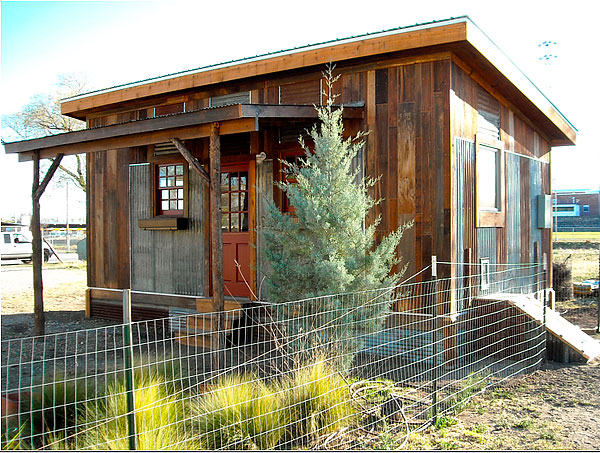
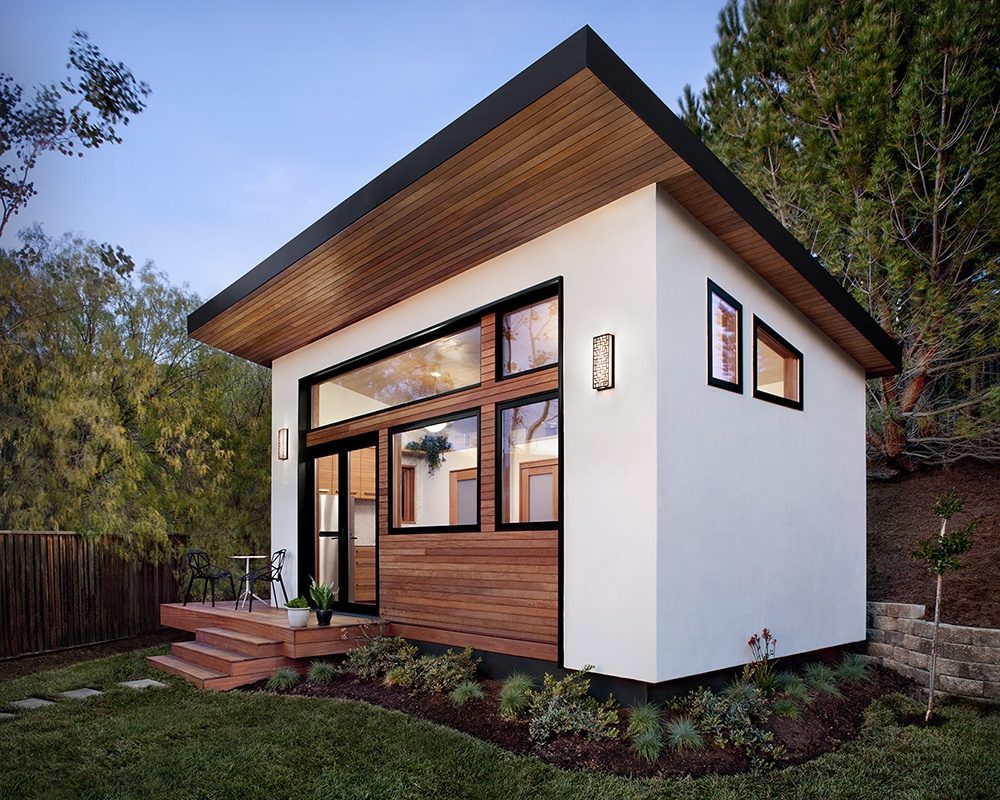
For our friends across the pond and for ideas for the rest of us, I found this website for Tay Log Cabins in Scotland that sells and builds small Finnish pine cabins. Most of these cabins are meant to be used for camping or as an income generating property, but I can see myself living in one of these pretty cabins. Tay Log Buildings are made from the very best slow growing Finnish pine from the forests of North Karelia, Finland.
These cabins are another example of when you build smaller, you can build with beautiful details. The Hobbit cabin with the use of reclaimed tree stumps and branches really fits in with the surrounding area.

Tay Log Cabins offer:
- Custom made cabins from wood so any design can be achieved
- Planed logs (95mm x 120mm) which can be assembled in standard designs measuring – 3m x 3m or 4m x 4m
- Precision manufacturing for ease of building and come complete with all wooden components and shingle roof
- Free design service
Most of these homes can be built for between £13,000 and £35,000 or $20,000 and $55,000.
Also in the UK is the Log Cabin and Offices Company which builds cabins out of Baltic timber from managed and sustainable forests. Their cabins can be used for summer houses, fishing lodges, garden buildings or offices.
All the cabins are available as supply only, supply and erect, or as a fully finished “Turn Key” project.
If you enjoyed this post, subscribe to our feed
A Living Home
Some days, don’t you feel the world crumbling around you? Financial crises, world hunger, war, poverty. It seems unending. Some people may feel that one way to escape is to have a small, comfortable place to come home to. A home that is like a hug, warm and alive.
Some people have found that feeling in a cob house. A hand sculpted structure that curves and comforts like the earth it is made from. The House Alive! company is offering workshops for 2009 on how to create your own small structure.
House Alive!, which was started in 2001 by Coenraad Rogmans, James Thomson and numerous volunteers, teaches workshops about natural building, natural design and appropriate technology. They also offer consulting services, do presentations and seminars and work to promote natural building as a real alternative to conventional construction methods.
Cob is a building material that is made of a mixture of sand, straw and clay. The materials are mixed wet, by foot or with a tractor or mortar mixer. The word “Cob” comes from an old English word meaning “Lump” or “Loaf.”
The wet cob mixture is used to build thick earth walls; the building technique is very similar to sculpting with modeling clay. Because cob building requires no forms, you can build your walls into any shape you choose. Curves, niches, arched windows and built-in furniture are common features in cob buildings.
Because cob can be labor intensive, it is best if a cob structure be kept on the small side.
House Alive! will be offering a workshop in May of 2009 on how to build a complete shelter. Participants of the workshop will leave confident that they can design and build their own natural home. The building techniques will include:
- Making cob by foot
- Rubble trench foundations
- Stem walls out of recycled concrete, earth bags, and stone
- Natural sub-floors for earthen floors
- The materials sand, straw, and clay: How they work, what to look for, where to find them
- Wall building: tapering, keeping it plumb, trimming, shaping
- Electricity: How to put in wires, how to build a circuit
- Plumbing: Water and gray water systems
- Windows, doors and hanging cabinets and other things on cob walls
- Hybrid buildings: The interfaces of cob with other materials
- Earthen floors
- Earthen finish plasters
Lectures and demonstrations will include
- The economy of building
- Passive solar design
- Natural design
- Composting toilets
- Solar hot water
- Solar electricity
- Codes, hybrid buildings and natural renovations
- Straw bale construction
- Light straw clay, adobe brick and waddle and daub.
- Roofs and roof insulation
- Simple living and community
One thing that cob building lends itself to is cohousing. Cohousing communities attempt to be as self-sufficient as possible, by building their own homes from sustainable materials like cob and straw bales and by growing their own food. The Emerald Earth Sanctuary in Mendocino County, Calif. makes decisions by consensus, and they value direct, open communication and conflict resolution. They also offer work parties, natural building workshops, and a work trade program.
If you are interested in learning more about cohousing, the 2009 cohousing conference will be in Seattle, June 24-28, 2009.
If you enjoyed this post, subscribe to our feed