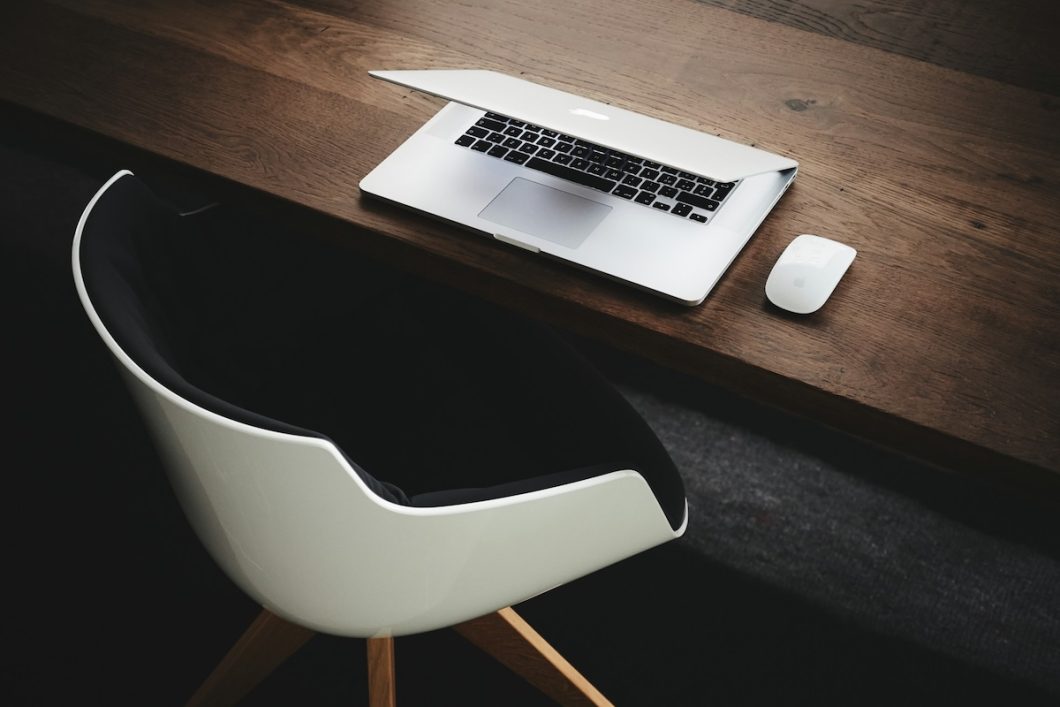
Remote work in a tiny home means solving the puzzle of productivity without sacrificing your living space. When done right, a well-planned workspace helps maintain harmony in your compact dwelling instead of making it feel cramped. Tiny homes actually work well for remote workers who value efficiency and need clear separation between professional and personal life.
With some clever design choices and organizing habits, even the smallest spaces can comfortably accommodate your professional needs. The trick lies in selecting versatile furniture, maximizing vertical storage, establishing visual boundaries, and maintaining daily habits that signal the transition between work and relaxation. Small changes in how you arrange and use your space can make a tremendous difference in both productivity and comfort.
Think Small but Smart with Furniture
Smart furniture choices make tiny home workspaces possible without sacrificing comfort. For the most efficient setup, pick spots with good light and lots of vertical storage. Choose dual-purpose furniture where possible, as these will fit neatly in underused spaces like hallway nooks and under-stair storage rooms.
Consider these space-saving options:
- Fold-down desks that disappear against the wall after work hours.
- Wall-mounted workstations that use vertical space instead of floor area.
- Nesting tables you can spread out during work and stack away later.
- Dual-purpose pieces like storage ottomans.
- Kitchen counters with pull-out keyboard trays.
- Expandable consoles for occasional meetings.
Many remote workers find their tiny office setup improves career flexibility while minimalist decor helps maintain mental clarity. The ability to quickly transform work areas back into living spaces also helps establish healthy boundaries between professional responsibilities and personal downtime.
Storage That Works Overtime
Making use of vertical space solves many tiny home office challenges. Don’t let walls go to waste, as they’re prime real estate for floating shelves that keep reference materials and supplies within reach but off your workspace. Customize pegboards to hold frequently used items while simultaneously adding visual interest to your office area. For headphones, bags, and cords, stylish wall hooks provide eye-level access without consuming valuable drawer space.
Hidden storage opportunities exist throughout small homes:
- Under-bed containers with smooth-gliding wheels for files and supplies
- Storage ottomans that hold tech equipment and serve as guest seating
- Behind-door organizers with pockets for small work items
- Baskets instead of drawers for flexible storage
- Under-stair spaces for less frequently used supplies
Smart tiny house storage makes every inch count while keeping clutter contained.
Adopt an “out of sight” end-of-day routine where you pack away work items completely when finished, such as laptops in designated drawers, notebooks in baskets, supplies in containers. Resetting your space transforms it back into a home while creating mental separation between work and personal time.
Create Work-Life Boundaries (Yes, Even in 200 Square Feet)
Your mind needs clear signals about when you’re working versus relaxing, even in the tiniest spaces. Mark your work zone with simple visual cues that say “this is where business happens.” Paint the wall behind your desk a different color, lay down a small area rug, or set up a folding screen you can put away after hours. Looking for inspiration? A few tiny house ideas include tucking a desk into an unused alcove or installing a drop-down surface that vanishes when you’re off the clock.
Light makes a big difference in how your space feels:
- Use a desk lamp that only comes on during work hours
- Switch to warm, cozy lighting when you’re done for the day
- Keep a special cushion that only appears when you’re working
- Try different curtain positions for work versus relaxation mode
- Play certain background music that signals “work time” to your brain
Small rituals make a world of difference at day’s end. Put your laptop in its special drawer. Change out of your “work clothes” even if they’re already casual and take a quick post-work walk to decompress. If you share your tiny home with someone, work out simple signals — maybe wearing headphones means “please don’t interrupt,” while taking them off says “I’m available now.” Talking openly about when you need focus time helps keep the peace in shared tiny spaces.
Keep It Cozy, Not Corporate
Your workspace should feel like it belongs, not like it’s staging a hostile takeover of your living room. The secret? Choose desk accessories that match your home’s personality — wooden organizers if you love rustic charm, sleek acrylic pieces in a modern space, or quirky vintage containers for eclectic dwellings. When your work stuff looks like it belongs with your home stuff, the visual transition feels natural.
Nothing ruins cozy vibes faster than a tangle of ugly cords snaking across your beautiful space.
Try these tech-taming tricks:
- Wrangle charging cables and power strips with simple cord organizers.
- Go wireless where possible — keyboard, mouse, headphones, even printers.
- Hide necessary wires in cord covers painted to match your walls.
- Create a charging drawer where devices can power up hidden from view.
- Use cable clips to prevent that annoying “cord falls behind desk” scenario.
People who create personalized work environments tend to enjoy their jobs more and stay focused longer, even in the tiniest homes. Adding personal touches makes your workspace feel like a place you actually want to spend time. This will improve your productivity and increase your overall job satisfaction.
A small potted plant brings a touch of nature indoors while cleaning your air, while hanging a favorite art piece where you can see it gives your eyes a beautiful break from screen time. Small bulletin-board motivational quotes can give you a much needed boost on a difficult workday, and images of nature can create a relaxed atmosphere.
Final Thoughts
Creating a functional workspace in your tiny home requires balance, not compromise. With smart furniture choices, clever storage, clear boundaries, and personal touches, your work area supports productivity without dominating your living space. Perfect setups rarely happen immediately, so be willing to experiment as you discover what works for your specific needs. The beauty of tiny home offices lies in their flexibility and personalization – try just a few of these ideas and you’ll see how even the smallest spaces can serve as both productive workplaces and cozy homes.
Source: Unsplash
Want to learn more about tiny houses?
Really enjoyed this, Kent! Tons of smart, doable ideas here. Love the reminder that tiny spaces don’t have to feel cramped when things are well thought out. One thing I’ve seen work really well is built-in desks or custom shelving in those weird corners — makes a big difference when every inch counts. Totally agree on the visual cues and routines, small changes go a long way. Thanks for putting this together!