The Repaircave

mobile workshop on the road

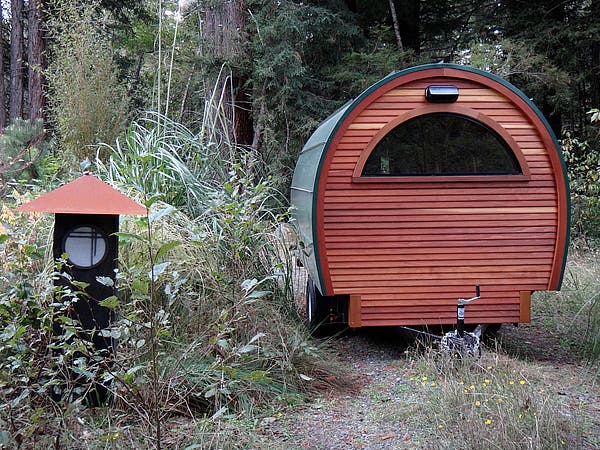
Towards the end of the build I realised it needed to be a little more than just my personal hideout. I’m hoping to attract folks who will share the hideout with me, taking their broken stuff to fix, while making a fire inside or outside and having a tea or … Read more

Charles Finn’s Microhomes

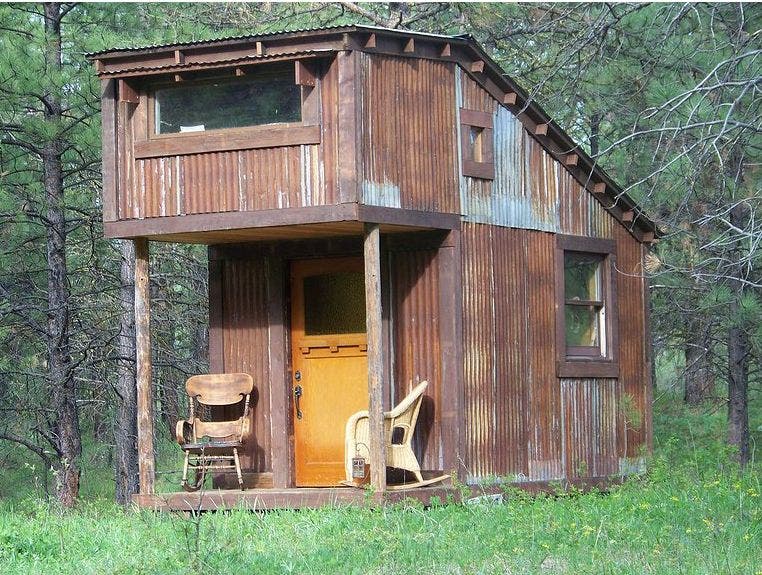
Charles Finn might just be the ultimate tiny house Renaissance Man. He’s a self-taught woodworker, an author, freelance writer, editor of the High Desert Journal, a literary and fine arts magazine, and his custom microhomes also allotted a full color spread in Lloyd Kahn’s “Tiny Homes, Simple Shelter” book. Charles … Read more

Whittled Down Caravan/Gypsy Wagon Video Tour

whittled down caravan

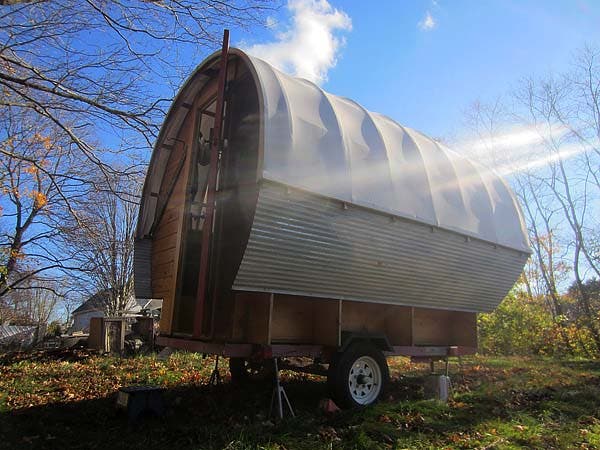
Hey all, a belated happy new year, and here’s a brand new video mini-tour of “The Whittled Down” Caravan, which made a guest-structure appearance at our Tiny House Building Workshop in Massachusetts this past November (one of five tiny shelters, structures, houses, we had on site!). It was built by … Read more

Flow’s Zen Buggy

Zen Buggy

*Update below where Flow answers some questions and includes more photos Hi, my name is Flow and I live in Humboldt county. I thought you might enjoy a peek at my new Gypsy wagon a friend and I created this summer. Designed and built in northern California using as many … Read more

1970 Caravan

1960 caravan

By Devorah Peterson In 1973, the year she met her future husband, a friend of mine bought a three year old caravan, an early project of Lloyd House. Since then, this treasure has been sitting in a forest clearing on an island of British Columbia. As there is no kitchen … Read more

Kootenay Lake Gypsy Wagon

Inhabitat (one of my favorite sites) recently featured this rustic, but beautiful gypsy wagon (one of my favorite tiny houses) which sits in the forest near Kootenay Lake in British Columbia. The 8 foot by 20 foot wagon was built on a $100 salvaged 5 ton chassis, with 2×4 construction and curved rafters. It cost about $8,000 to build and took several years.

Most of the building materials for the wagon were recycled. The floor is locally milled hemlock tongue and groove and the windows were second hand finds from the local classifieds. The exterior shingles were cedar “seconds” split with a hatchet. The round window was ingeniously made from a 1970’s picnic table and is framed with rope for a natty, nautical style. The curved roof is covered with flexible metal sheeting and has two, curved Lexan skylights. The interior of the wagon is covered with stretched canvas, stapled into place and painted with white wash. Under the wagon is space for the storage of supplies and firewood.

Read more