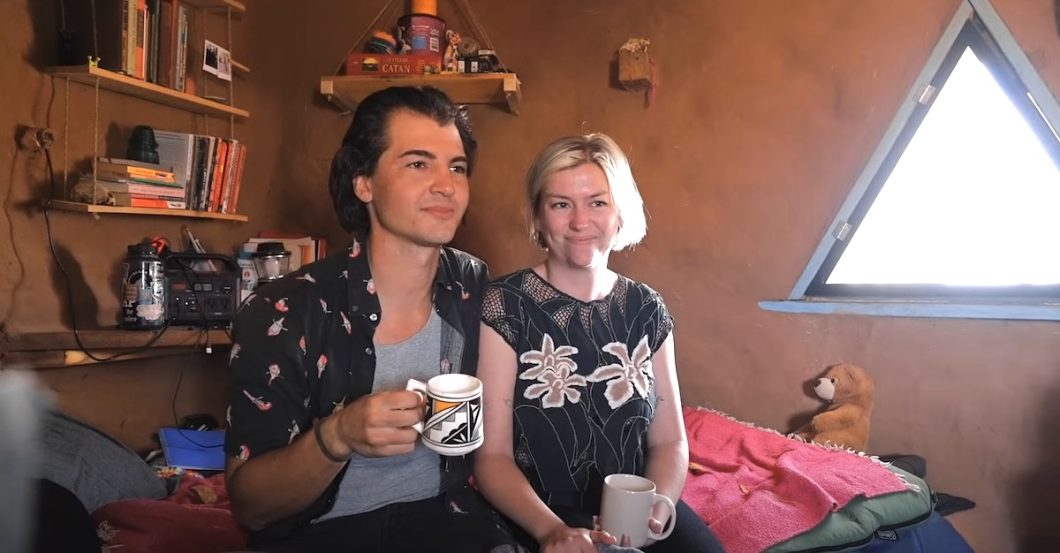
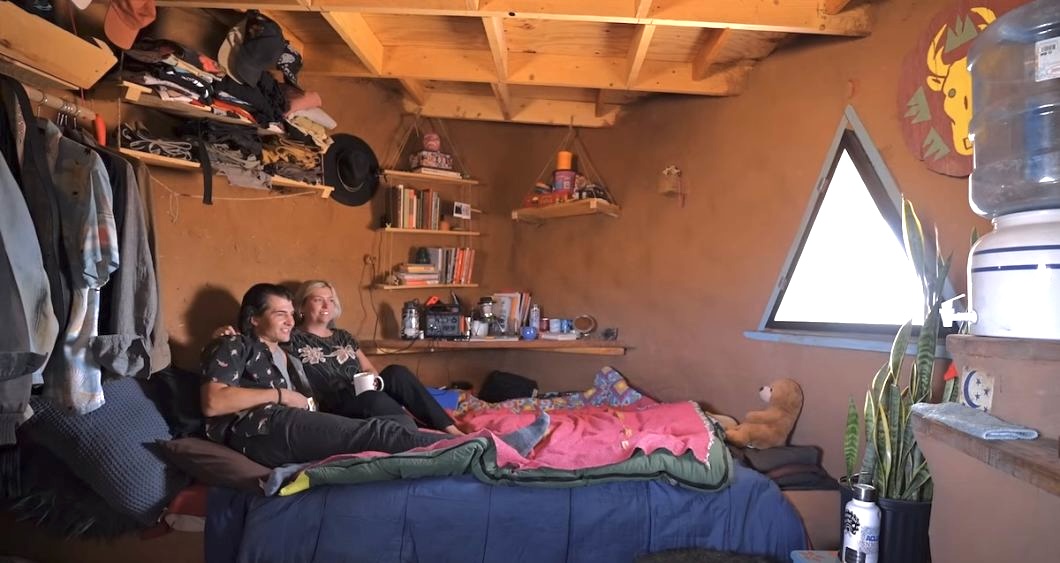
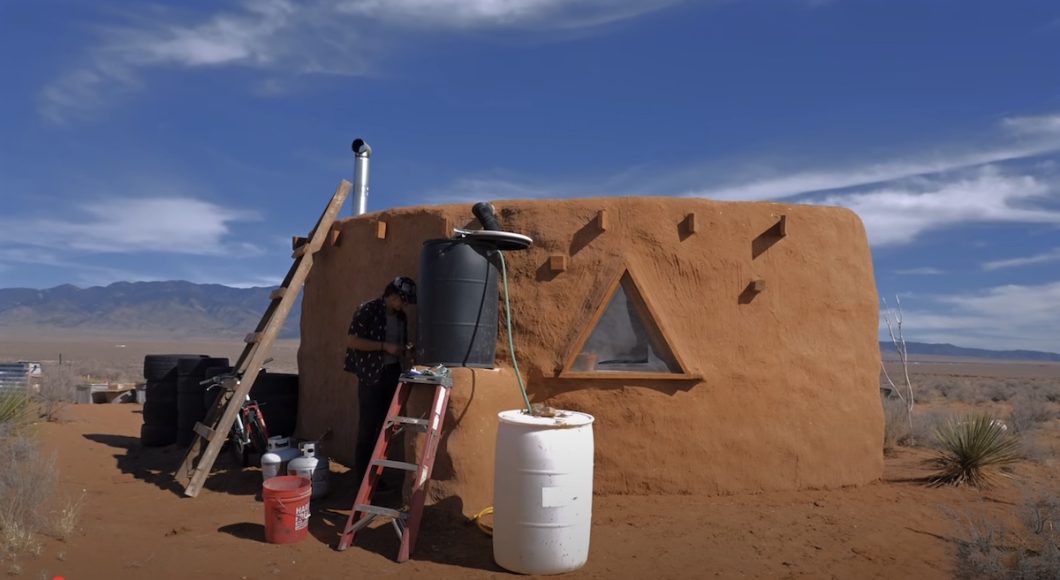
Imagine stepping away from the rat race and creating a home with your own hands–for less than the cost of a used car. That’s exactly what this inspiring couple has accomplished with their earthbag tiny house project.
In a world where housing costs continue to skyrocket, they’ve discovered a different path: building small, sustainable dwellings using simple materials and creative techniques. Their journey showcases how living off-grid doesn’t mean sacrificing comfort–it means redefining what truly matters.
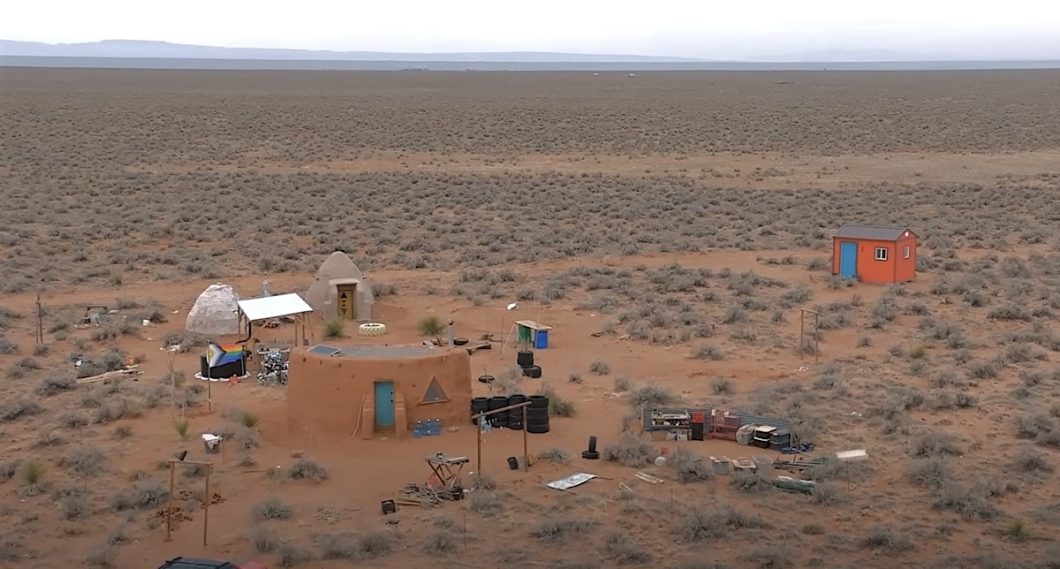
With construction costs ranging from just $600 to $7,000, these innovative homeowners have embraced repurposed materials and alternative building methods to create spaces that are both functional and deeply personal. Their story isn’t just about saving money; it’s about reclaiming time, reducing environmental impact, and finding genuine contentment through intentional simplicity.
As housing anxiety grips many communities, this couple’s approach offers a refreshing alternative–proving that with creativity, determination, and a willingness to think differently, the dream of debt-free homeownership remains within reach.
Watch Tiny House Expeditions video below:
Key Takeaways
- The initial cost of building the first tiny house was just $600 using a gas dome structure, proving that building a tiny house can be affordable.
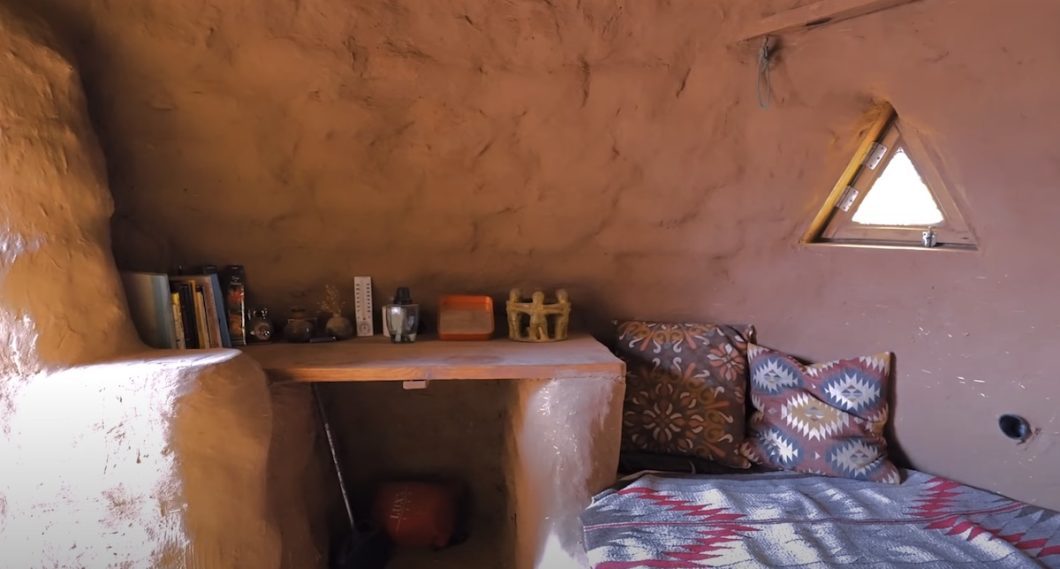
- The second tiny house, made with burlap sandbags, cost $2,400, highlighting how using alternative materials can still keep costs low.
- The total cost of building and owning a tiny house, including land, was around $7,000, making it a cost-effective long-term living solution.
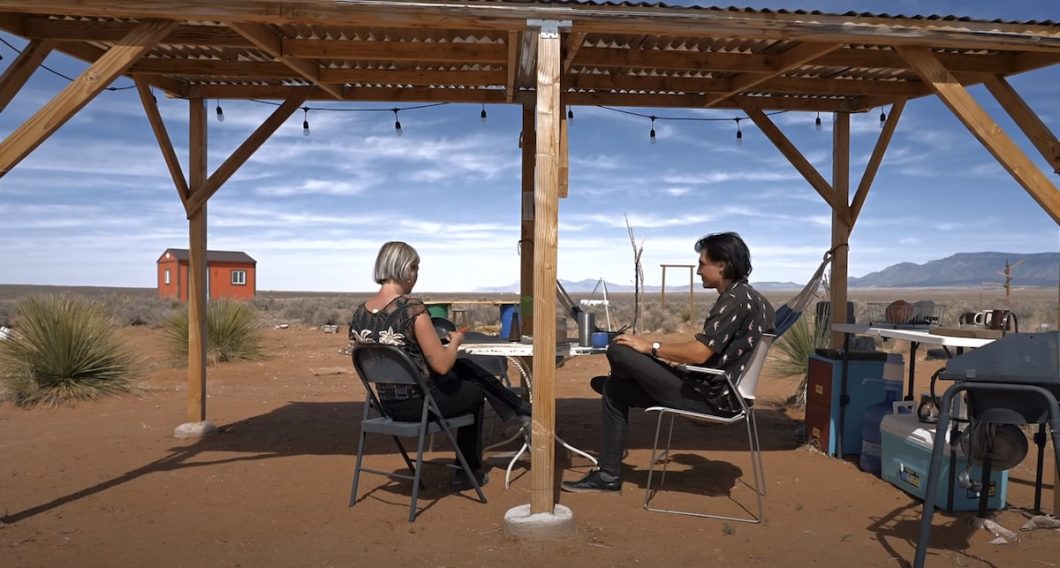
- Utilities are kept minimal, with filtered water costing only $3 per week, solar power for electricity, and propane usage at around $40 per year.
- Local ‘oasis stations’ provide easy access to water refills, often near laundromats, offering a convenient solution for water needs.
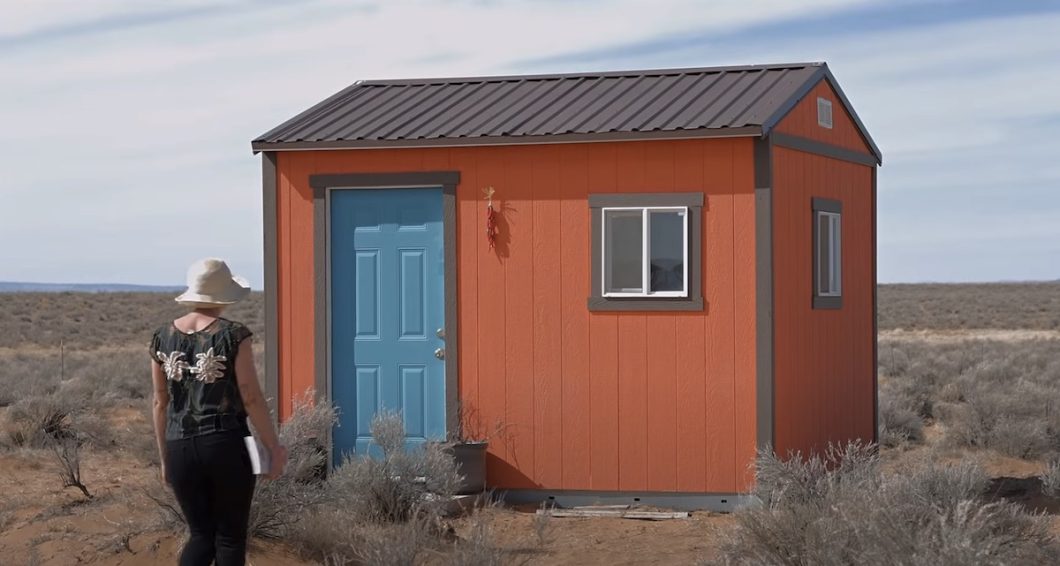
- A Tough Shed option with on-site labor was more expensive, but some people value convenience and are willing to pay more for that service.
- Roan and Ivy feel the money spent on their tiny house lifestyle goes a long way, providing a much more fulfilling and affordable living experience compared to renting in the city.
- Downsizing and living off-grid has provided the Roan and Ivy with more free time and a better quality of life by reducing the need to work full-time and paying less rent.
- Roan and Ivy find joy in living without modern luxuries like a fridge, water heater, or flushing toilet, realizing that they are happier without these conveniences.
- The shift from a high-paced city life to a more intentional and mindful off-grid lifestyle has made the speaker feel more present and content.
- The video encourages others to embrace a minimalist, sustainable lifestyle, showing that it’s possible to live happily with fewer modern conveniences.
Questions and Answers
What was the budget for the first dome home, and why was it considered cheap?
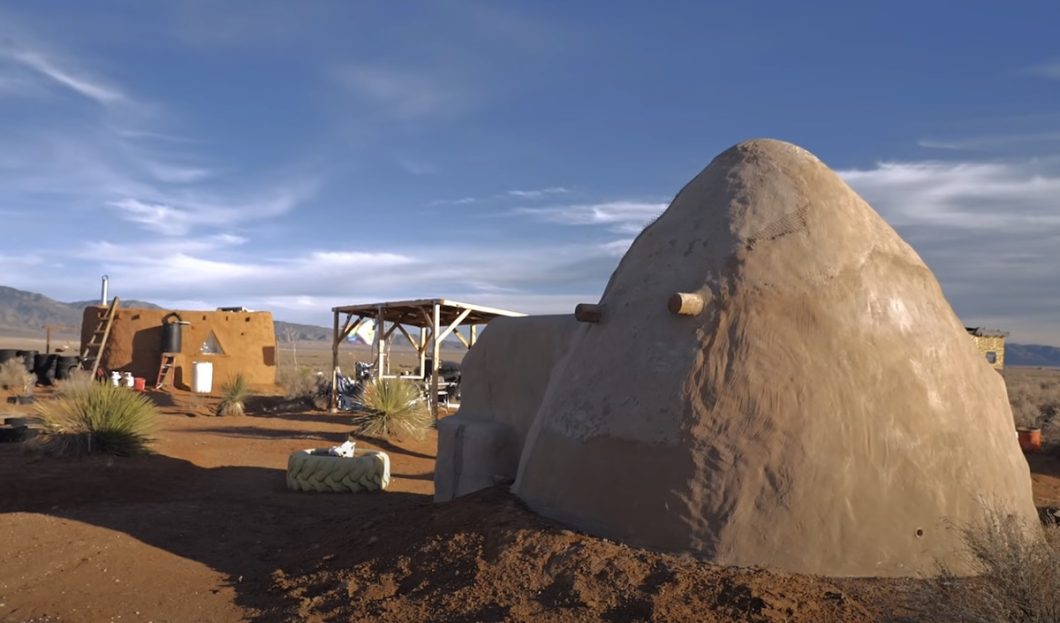
The budget for the first dome home was about $600, and it was considered cheap because Roan didn’t have to use expensive materials, making it an affordable project despite the hard work involved.
What was the total cost of the Roan’s second house, and what materials were used?
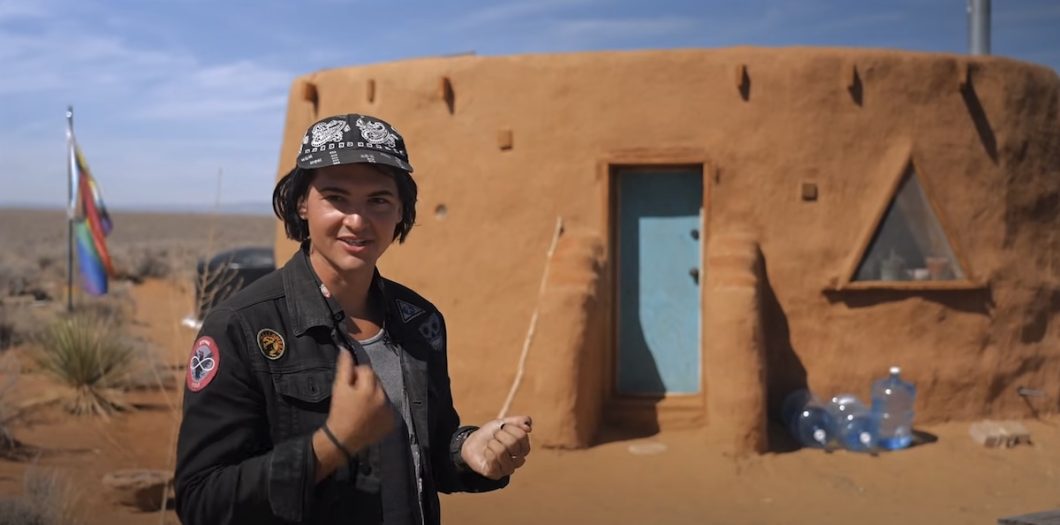
The total cost of the Roan’s second house was around $2,400, and burlap sandbags were used instead of plastic, which was about five times more expensive. The house had a real roof, pond liner, and gravel on top, bringing the total to approximately $7,000.
What are the main utility costs for Roan and Ivy’s off-grid living situation?
The main utility costs are filtered water, which costs about $3 a week, and propane, which costs about $40 a year. The house is also on solar power, which reduces additional energy costs.
What are ‘oasis stations,’ and how do they contribute to the speaker’s lifestyle?
Oasis stations are locations where people can refill water jugs, and they are conveniently located near laundromats. These stations contribute to the speaker’s off-grid lifestyle by providing an easy and inexpensive way to get filtered water.
How did Ivy’s approach to building her home differ from Roan’s?
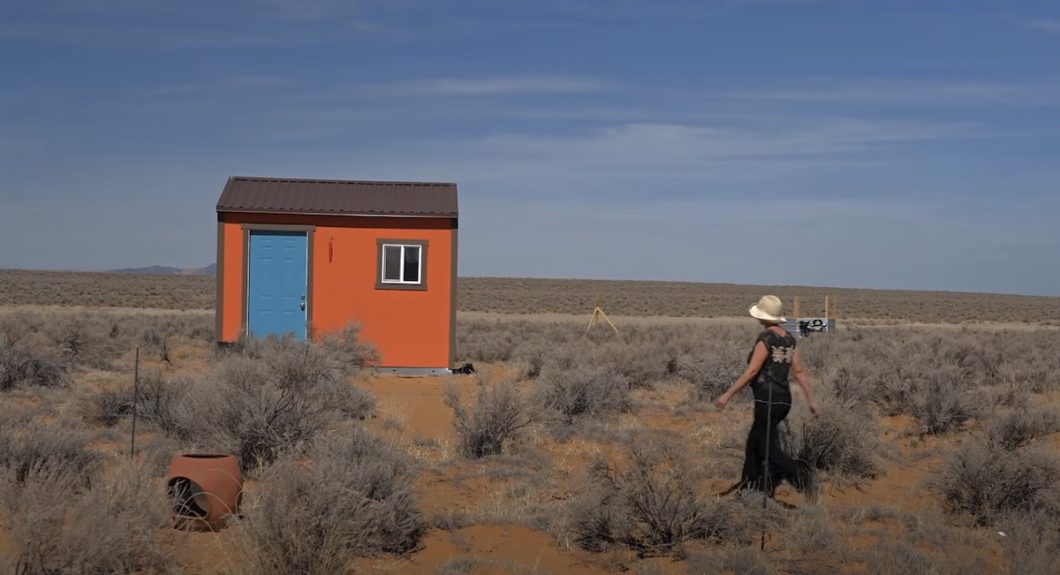
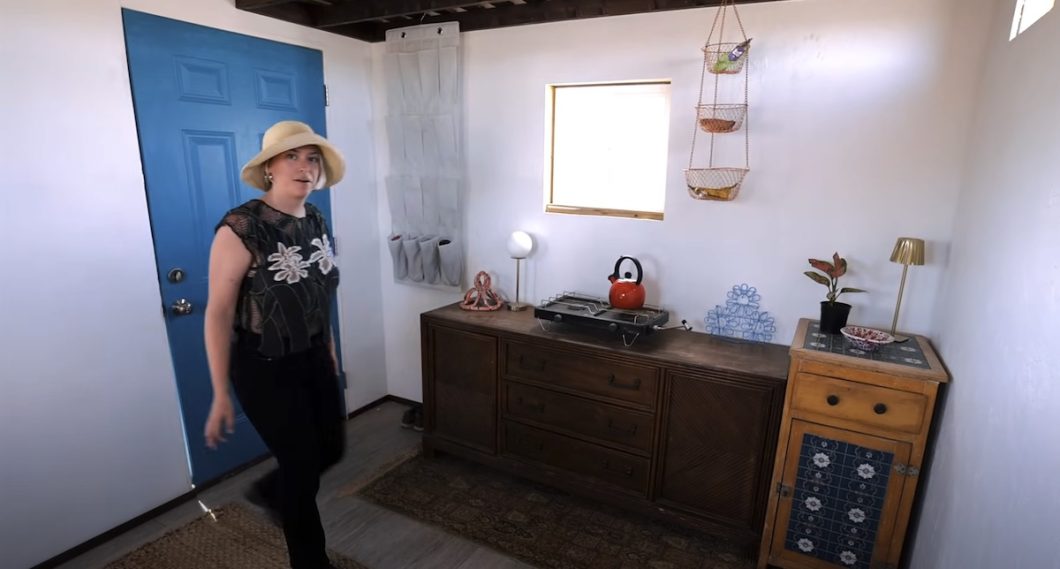
Ivy opted for a more expensive, convenient approach by purchasing a pre-built shed for $6,000, which included the cost of labor for on-site construction. In contrast, Ron chose a cheaper, more labor-intensive approach.
What was the total cost of Roan and Ivy’s home and land, and how did they keep costs low?
The total cost of the Roan and Ivy’s home and land was around $7,000 to $8,000. They kept costs low by doing a lot of the work themselves, such as drywall, insulation, and flooring, with help from their dad, who provided repurposed materials.
Why do Roan and Ivy emphasize the importance of transparency in discussing the costs of building a tiny home?
Roan and Ivy believe it is important to be transparent about the costs of building a tiny home to provide realistic expectations for others considering a similar lifestyle and to show that financial independence is possible even with modest investments.
How does living in a tiny home benefit Roan and Ivy compared to living in a city?
Living in a tiny home benefit Roan and Ivy by allowing more free time, reducing the need to work long hours, and cutting down on rent. Roan and Ivy find this lifestyle more fulfilling and less stressful compared to a busy city life.
How does Roan and Ivy view their lifestyle in terms of time management and material possessions?
Roan and Ivy value being more intentional with their time and mindful of their resources. They find that living without luxuries such as a fridge or water heater makes them more present and connected to their environment, unlike when they lived in a high-paced city life.

What are some of the sacrifices Roan and Ivy are willing to make in exchange for a simpler life?
Roan and Ivy are willing to sacrifice modern luxuries such as hot showers, a fridge, and a flushing toilet in order to live a simpler, more fulfilling life. They feel happier and more content without these comforts, as the trade-off is a slower-paced, stress-free existence.
Conclusion: Finding Freedom in Less
As we’ve seen from this couple’s remarkable journey, building an affordable home isn’t just a dream–it’s entirely achievable with creativity and determination. From a $600 gas dome structure to a $2,400 burlap sandbag house, they’ve proven that shelter doesn’t need to break the bank. Their total investment of around $7,000–land included–stands in stark contrast to conventional housing costs.
But this story goes beyond mere dollars and cents. Their innovative approach to utilities–$3 weekly water filters, minimal propane use at just $40 annually, and simple solar setups–demonstrates how basic needs can be met sustainably and affordably. The nearby “oasis stations” for water refills represent the kind of practical solution that makes this lifestyle work seamlessly.
What’s truly inspiring isn’t what they’ve built, but what they’ve discovered along the way. By stepping away from conventional housing and embracing minimalism, they’ve found something more valuable than modern conveniences: time. Without the pressure of high rent and full-time work, they’ve reclaimed their days for pursuits that bring genuine fulfillment.
Perhaps most surprising is their revelation that happiness doesn’t require refrigerators, water heaters, or flushing toilets. Their intentional downshift from hectic city life has led to greater presence and contentment in their daily experiences.
Their story stands as a powerful invitation: what might we gain by letting go? In a world obsessed with more, this couple reminds us that freedom often comes through less–less debt, less complexity, and less distraction. Their earthbag haven isn’t just affordable housing; it’s a pathway to a richer, more deliberate way of living that any of us might consider exploring.
Video and photos by Tiny House Expedition.
Want to learn more about tiny houses?
This earthbag home proves sustainable living doesn’t require a fortune—just creativity and grit! The couple’s $15K budget triumph showcases how natural materials and smart design can create cozy, eco-friendly spaces. A refreshing antidote to overpriced housing markets. Makes me want to grab a shovel and start building!