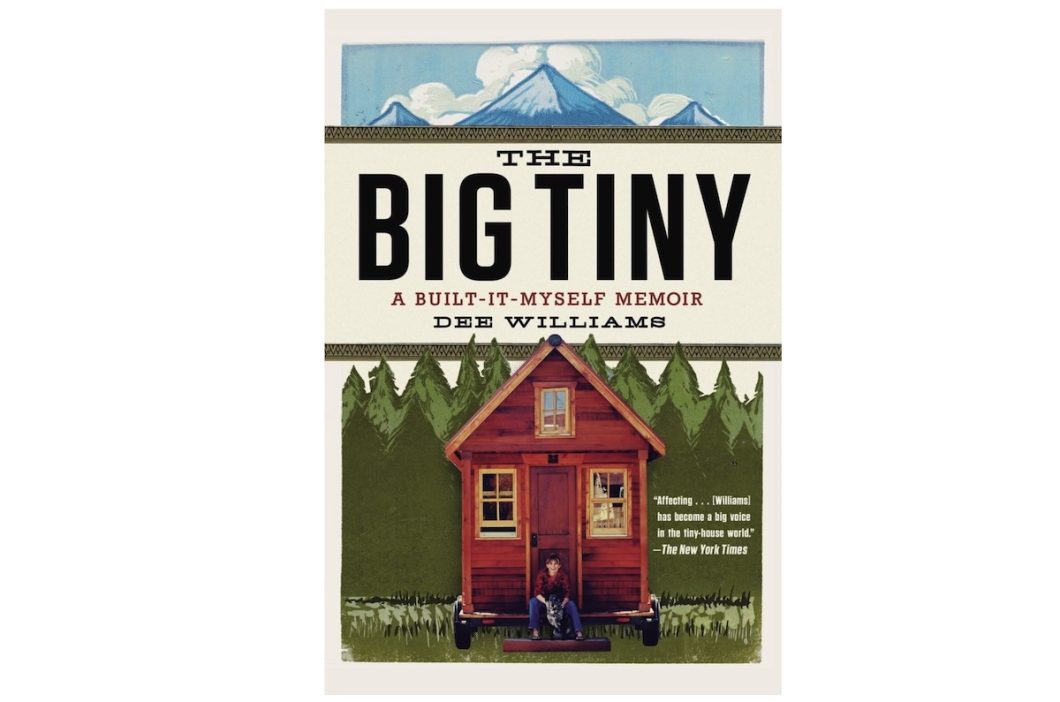
In The Big Tiny: A Built-It-Myself Memoir, Dee Williams shares her journey of downsizing from a conventional home to a self-built 84-square-foot tiny house. After experiencing a heart condition that made her reevaluate her life, she realized that the burdens of homeownership and excessive belongings were weighing her down. Inspired by the tiny house movement, she built a small, mobile home on a trailer and embraced a minimalist, debt-free lifestyle.
The memoir is both a personal reflection and a practical exploration of tiny living. Williams describes the challenges and rewards of simplifying her life, living in a tiny home, and forming deeper connections with her community. She highlights the joy of living with less, the difficulties of building her house, and the emotional journey of letting go of material possessions.

Most Valuable Takeaways and Lessons
1. Simplicity Leads to Freedom
- Owning fewer things and living in a smaller space reduces stress and financial burdens.
- A minimalist lifestyle creates more time for meaningful experiences.
2. Rethink the Meaning of Home
- A home doesn’t have to be large to be fulfilling.
- Comfort and security can come from relationships and experiences, not just physical space.
3. Material Possessions Are Not the Key to Happiness
- Downsizing can lead to personal growth and a greater appreciation for essentials.
- Letting go of excess belongings helps shift focus to what truly matters.
4. Community and Relationships Matter More Than Space
- Living tiny fosters stronger connections with neighbors and loved ones.
- Relying on others and engaging in a supportive community enriches life.
5. Living with Less Builds Resilience
- Tiny house living teaches problem-solving, adaptability, and gratitude.
- Challenges like limited storage and off-grid living strengthen resourcefulness.
6. Personal Health Can Inspire Change
- A major life event (like Williams’ heart condition) can push people to reevaluate priorities.
- Simplifying life can improve well-being and reduce stress.
7. You Can Build Your Own Path
- Even without prior experience, it’s possible to learn new skills and build a home.
- Taking risks and embracing challenges leads to personal fulfillment.
8. Mindfulness & Presence Matter
- Living in a tiny house encourages mindfulness in daily routines.
- Simplicity allows for more presence in life’s small moments.
9. Tiny Living Isn’t Perfect—But It’s Worth It
- There are challenges (like plumbing, weather, and limited space), but the trade-offs are worth it.
- The joy of simplicity often outweighs the inconveniences.
10. Intentional Living Creates a Meaningful Life
- Every choice, from housing to possessions, can align with personal values.
- Intentionality leads to greater fulfillment and happiness.
Purchase on Amazon
(Amazon affiliate links in post)
Want to learn more about tiny houses?
Here’s the email I sent to Cory Booker back in 2019 when he was running for president. Cory just set a new record in the US Senate by speaking for over 25 hours without a break. Not a peep from him back in 2019 about restoring our housing freedom.
BEGIN EMAIL
In the next debate I’d like to hear that you embrace ending the exclusionary zoning laws in this country. I have donated to your campaign but if you want any more from me then in the Ohio debate on 10-15-2019 you need to speak clearly and confidently about ending the evil, anti-freedom, anti-golden rule, unconstitutional exclusionary zoning laws in this country. And don’t say this is a local matter. 169 years ago, they had free states and slave states and said slavery was a local state matter. This is what I’m trying to post at Andrew Yang for President 2020 Basecamp on Facebook.
You can’t put a price on having the peace of mind of just knowing that you are financially secure. I hope Andrew will embrace ending the exclusionary zoning laws in this country. Our constitution says we all have a right to life and shelter is a necessity of life. There should not be a law that says your home must have at least 1,200 square feet. That is just one example of exclusionary zoning. As long as a home is not a threat to anyone’s health or safety then there should be no law that prohibits that home. Andrew only needs to argue that he will enforce everyone’s constitutional rights to life, liberty and the pursuit of happiness. It doesn’t get any more basic than that.
Andrew could also argue that he’s playing by the golden rule. Nobody says you can’t live in a big, expensive, traditional site-built home. So, nobody should say you can’t live in a small, movable, inexpensive home. Andrew could argue that he supports freedom. The simple freedom to live in a home of your own choosing instead of what someone else chooses. The simple freedom to spend your money as you see fit and not as someone else sees fit.
So, the bottom line is Andrew could argue that he’s simply enforcing our constitution, playing by the golden rule and supporting everyone’s freedom to live in a home of their own choosing. Remember, freedom doesn’t mean the freedom to take away someone else’s freedom because that is what exclusionary zoning laws do. They restrict your freedom and in fact they are often referred to as RESTRICTIONS. You’ll see a sign posted in some areas proclaiming “THIS IS A RESTRICTED COMMUNITY”. The only time you restrict someone’s freedom is to protect the health and/or safety of the community at large, the so-called police powers. People in a community really have no right to take away your constitutional right to have shelter. That is a misapplication of the police powers. That misapplication contributes to all the homelessness and poverty.
END EMAIL