Beach Huts in the UK

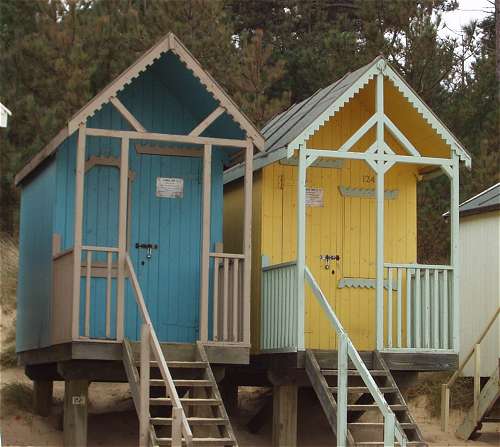
Even though the Northern Hemisphere is experiencing winter weather, I thought it would be fun to interject a bit of summer before the holidays really heat up. These colorful beach huts are custom made by James Ward in the United Kingdom and with a little foresight can be made into a tiny house.
The huts are made with 2×2 Red Swedish Pine frames for durability and the 8×8 pressure treated legs and subframe hold up the structure. The decks are pressure treated to resist moisture. Pine boards are used for the interior and the roofs instead of plywood and each hut is finished with galvanized hinges and locks. Each hut is also painted with an environmentally friendly water-based paint.
Read more

Under a Mushroom

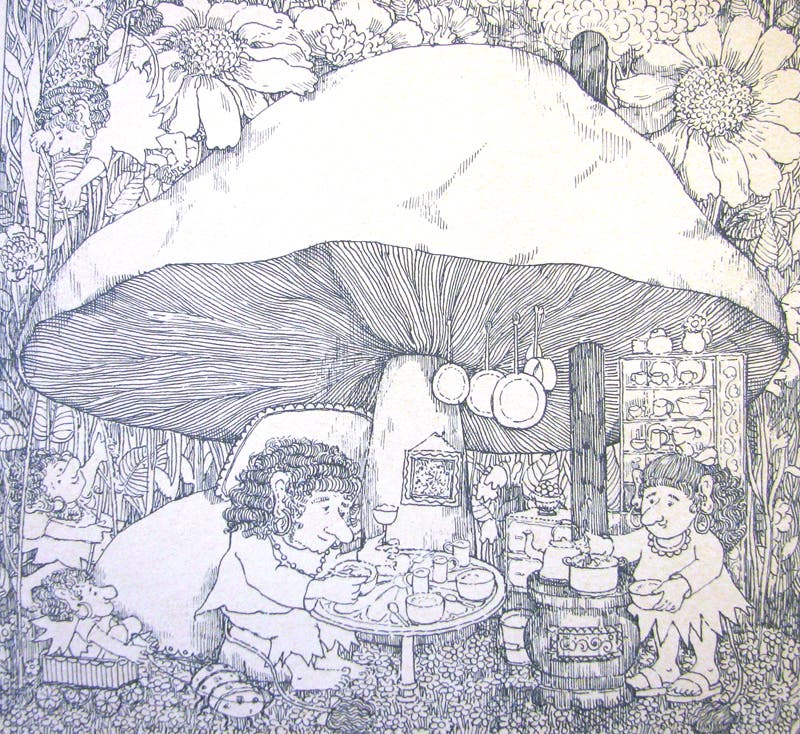
I fell in love with my first tiny house when I was in fourth grade, and it was the size of a mushroom. The book “Under a Mushroom” by Anita Lobel was located in the bookshelf of my classroom, and during nearly every free reading period, I would take it to my desk and pore over the delightful illustrations. They showed small, fantasy creatures living under mushrooms complete with small furniture, pots and pans, miniature wood stoves and even curtains made of flowers. After school I would run home and attempt to make my own “mushroom house” underneath a pine tree.

The story is about a Troll family who live under a mushroom in a meadow. They are content in their tiny home, but a bit bored. One day it begins to rain and various other creatures (Glumps, Dimmles, Gizzygonks, Tomtes and the like) show up to come out of the damp.

Read more

ClickClackGorilla

The exciting tale of the ClickClackGorilla begins with a daring escape from a cubicle life in the U.S. and ends with a life of traveling with a band, Dumpster diving, and living in a rescued caravan in a wagenplatz in Germany. The Gorilla is Nicolette Stewart, an ex-pat writer, proud gleaner and soon-to-be mother who blogs about her unconventional life while trying to live that life with more freedom and environmental consciousness.

Her home in Germany (which she shares with her partner, “The Beard”, who also has his own trailer) is a caravan which was formerly parked on a farm. The 60-year-old wooden wagon, known as a Bauwagen in German, was on the farm for at least 20 years and the owners of the farm gave it to Nicolette for free if she hauled it out herself.

She proceeded to fix and decorate the wagon over a the course of a year with about 900 Euros and many trips to the Dumpster for furniture, lighting, kitchenware, bedding and even food. Her wagon, affectionately called the trash house, is parked in a wagenplatz, an intentional community in which people live together on a piece of land in a variety of wheeled dwellings.

Read more

Tiny Guesthouse Challenge

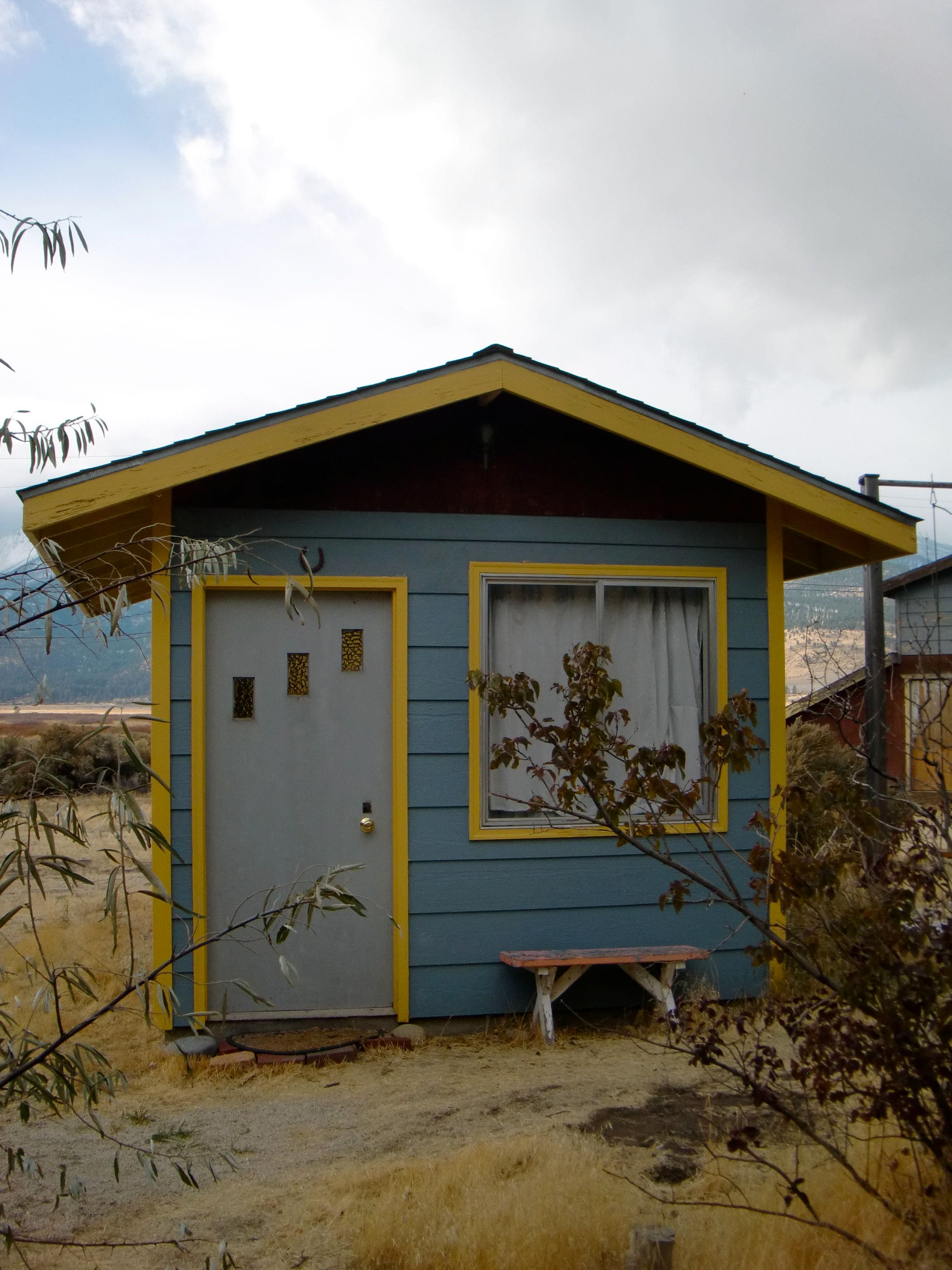
Another of my jobs (besides writing for the Tiny House Blog) is taking care of my elderly mother’s five acres, located in the high mountain desert of Nevada. The property consists of a 2,000 square foot house, a large yard with hundreds of trees, a barn and a tiny house located at the back of the property.

The house was built in the 1980s as a guesthouse and has been used for numerous guests and visiting family members. It is 12 feet by 8 feet, single story, on a cement slab foundation, insulated, and has electricity and a wall mounted heating unit. The interior is a single room with a tile floor, three windows that look out on the nearby Tahoe Range and the garden and skylights that face south. The ceiling has charming rafters and is decorated with items from my mother’s native Denmark and Sweden.

Read more

Living in the Future

According to the Lammas ecovillage in Wales, living in the future means looking to the past. This series of videos shows the baby ecovillage’s plans and struggles to develop a low impact village in the open countryside. The series also profiles several other successful ecovillages around Europe. The village is named after the pagan holiday that celebrates the abundance of the fall months.

Lammas is the United Kingdom’s first planned ecovillage and is sited on 76 acres of mixed pasture and woodland in Pembrokeshire. The houses use low-impact architecture which uses a combination of recycled and natural materials. The village will contain five detached buildings and one terrace of four dwellings. The homes will be built of straw bale, earth, timber frame and cob; they will have turf roofs and wool insulation and will blend into the landscape.

The videos (also available as podcasts) cover everything from searching for land, working with local codes, inspectors and design councils, examples of different types of natural building including straw bale and cob, surviving cold weather, self-sufficiency, growing your own food, and keeping community intact. The ecovillages profiled are Cae Mabon, The Village, Ireland and Findhorn. That Roundhouse by Tony Wrench is also featured.

Read more

Built by Friends: Evan and Gabby’s Tiny House

Like an Amish barn raising, Evan and Gabby’s tiny Tarleton house is going up piece by piece with the help of friends and family. The Illinois couple were inspired by the Tumbleweed houses and decided to downsize their already sustainable lifestyle even more. With no prior construction experience, they have been working on their tiny home for just over a year and plan to move in (along with their two cats) soon.

The couple also plan to move around the country, staying in campgrounds that offer year-round rates. They then want to purchase some land where tiny house living is more acceptable.

Their 117 square foot Tarleton, built on a car hauler trailer, will have a great room, a sleeping loft above the bathroom and kitchen, another storage loft above the door and a bathroom with a custom shower and composting toilet that vents to the outdoors. The kitchen has four feet of stainless steel countertop, a two-burner stove, a bar sink, a toaster oven, a small fridge and – rare for a tiny house – a combination washer and dryer that they got from a family member for free.

Read more