


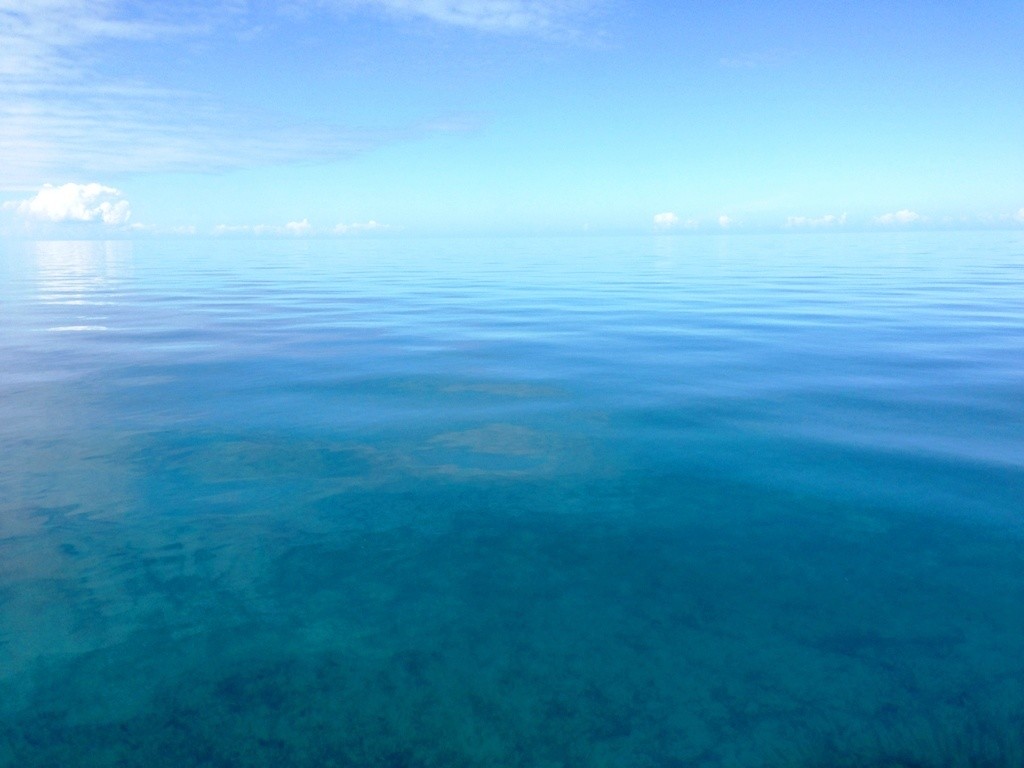
Water Water Everywhere
If you travel the way I do, water is everywhere. It plays a very important role in every moment of my life.
Water surrounds my floating home. It dictates the materials my home is built with. It cools the engine that propels my home. It cleans my body, my clothes and my dishes. It quenches my thirst. It’s home to the fish that I eat. It cools me off. It’s my playground.
According to one of my favorite websites and podcasts, howstuffworks.com, “Oceans are huge. About 70 percent of the planet is covered in ocean, and the average depth of the ocean is several thousand feet (about 1,000 meters). Ninety-eight percent of the water on the planet is in the oceans…” Considering the amount of water there is on earth, it’s hard to believe that clean water can be so difficult to obtain for so much of the world’s population.
On land in the U.S., fresh water was readily available. Now, I’m surrounded by an unlimited supply of water, but it’s all salt water. Fresh water is a daily challenge to keep in supply on a boat.
On my boat there are two fiberglass water tanks that hold a total of about 140 gallons. Both tanks are plumbed to the kitchen sink (shown below), two bathroom sinks, and one washdown hose on deck. The lines are pressurized by a water pump and accumulator so water is readily available at each tap.


Getting water into the tanks is the hard part. There are three ways to refill our tanks with fresh water.
Jerry Jugs
Long-term cruisers often carry 5-gallon Jerry Jugs on deck for diesel, gasoline and potable water. These jugs can sit on deck as a last resort when tanks run dry, or they can be used on a frequent basis for transporting the liquids back and forth from shore. Instead of bringing the whole boat to a fuel dock or a marina slip, we can take a dinghy full of Jerry Jugs to shore and refill in smaller quantities. The jugs are then heaved back up on deck when full. It’s hard work, never fun and the nozzles always leak.
In the islands, water from land is always suspect. Sometimes local water supplies come from wells and sometimes it is generated from a Reverse Osmosis procedure. Well water may not always be potable water and a bit of bleach or chlorine should be added before consumption.
Catching Rain
In the Caribbean, it rains a lot. The storms are often isolated squalls and pack a punch. As Captain Ron would say, they come on ya fast and they leave ya fast. Other times a cloud will pass overhead sprinkling a bit of liquid sunshine.
Mostly, it rains in the middle of the night when I’m sound asleep. Suddenly, everyone on board jumps up to race around and close the hatches just in time for the heavy rains to stop. It’s rarely enough for a good boat wash and usually just enough to be irritating.


Many sailboat owners construct some type of rain catch, either by blocking off the decks to pool water directly into the deck fill, or by suspending a tarp or piece of canvas over the deck to direct water down into the deck fill.
The problem with barricading my decks is that our anchor chain is in need of replacement or regalvanization and it leaves a fair amount of rust on the bow (front of the boat). It doesn’t rain enough to thoroughly rinse the decks before I would feel comfortable letting rain water run off my salty decks into my water tanks.
On an ambitious day, I may move rain catch up to the top of the boat project list and break out the sewing machine to make a custom rain catch with tarp/canvas/sail material. One boat project is really never just one boat project though. If I ended up using a rain-catch, this would surely bump filter-replacement higher up the list. Rain water tends to increase the amount of sediments reaching the filters. Nothing is ever really free, is it?

Making Water
My preferred method of replenishing the water supply is by means of a watermaker. It’s a 12-volt system plumbed to turn salt water into fresh water in a desalinization process. The watermaker in my boat is about 10 years old but still produces about 6 gallons per hour of fresh potable water, plumbed directly to my two water tanks. Newer machines are being built with a higher output, lower power draw and lower cost.


These machines are a significant investment, but can save money, time and hassle over a long period. They do require maintenance and are tricky to work on. It must be run every three days or less to prevent marine growth and bacteria from destroying the internal membranes. If unable to run the machine, it must be flushed out or prepared for long term storage by what is called pickling the membranes.

Where does your fresh water come from?
By Jody Pountain for the [Tiny House Blog]