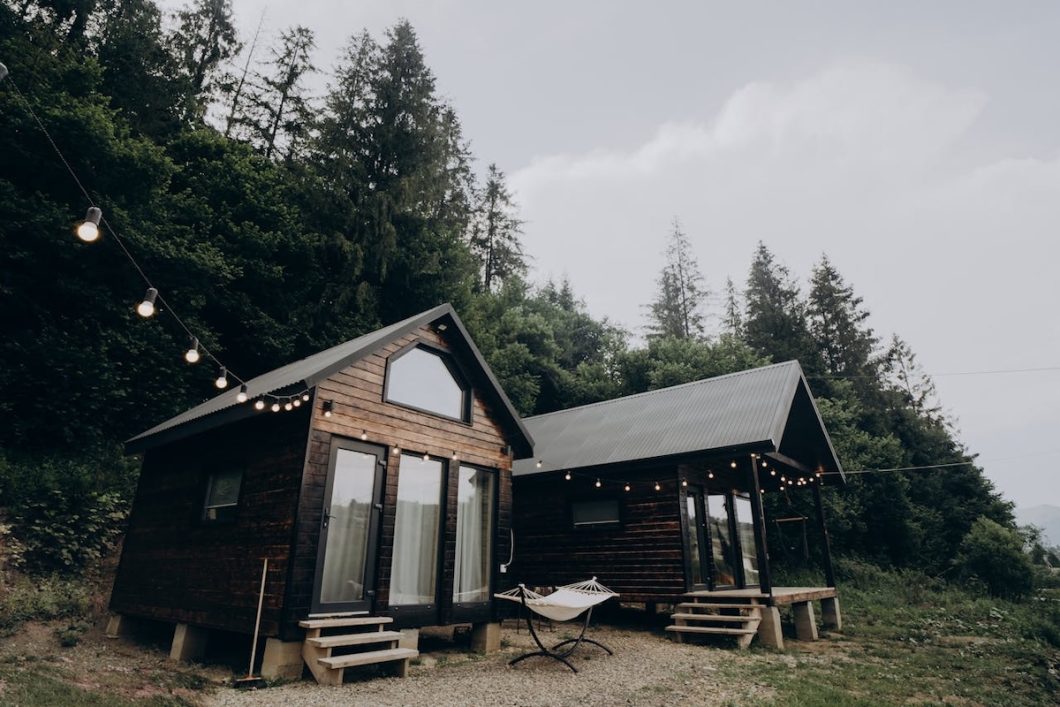
Tiny living offers a unique opportunity to simplify your life while maximizing the usefulness of your space. There can be challenges, however, in balancing needs with wants, or practicality with sentimentality. Letting go of excess doesn’t mean you have to part with all your cherished belongings, but it does require keen attention to downsizing.
By making mindful choices about what to keep, donate, or store, you can create a more peaceful and less cluttered lifestyle. This article will guide you through strategies to sort and organize your treasured possessions without overwhelming your space.
The Emotional and Practical Benefits of Minimalism
Minimalism isn’t just about reducing the number of things you own; it’s about creating a lifestyle that promotes clarity and well-being. When you simplify your surroundings, you also reduce visual clutter, which can have a profound impact on your mental health. A tidy, organized home fosters relaxation, helping you feel more in control and less overwhelmed by daily life.
Beyond the emotional benefits, minimalism also makes practical sense, especially in a smaller home. Less clutter means easier cleaning, better organization, and a more open, breathable living space. You’ll spend less time maintaining your home and more time enjoying it, whether that means engaging in hobbies, spending time with loved ones, or simply unwinding at the end of the day. Additionally, by carefully curating your belongings, you’ll ensure that everything in your home serves a meaningful purpose, contributing to a more intentional and fulfilling lifestyle.
Decluttering and Downsizing: Where To Start
Deciding what to keep and what to let go of can feel overwhelming, but a structured approach can make the process manageable. Start by categorizing your belongings into essentials, sentimental items, and unnecessary possessions. Essentials are things you use daily, while sentimental items carry emotional value but may not always serve a practical function.
That type of sorting can be easier said than done, however. Consider using some of these proven decluttering methods to help facilitate the process:
- Employ the “one-year rule”: If you haven’t used an item in the past year and it doesn’t hold sentimental significance, consider donating or repurposing it.
- Use the KonMari Method: Keep only the items that truly spark joy, making it easier to part with things that no longer serve you.
- Digitize sentimental items: Scan and store photos, letters, and documents digitally to reduce physical clutter while preserving memories.
- Repurpose sentimental belongings: Turn old clothing into quilts or use family heirlooms as decor to keep their meaning alive without overwhelming your space.
By approaching decluttering with intention and balance, you can create a home that supports your lifestyle while still honoring the memories and items that matter most.
Creative Storage Solutions for Tiny Homes
Making the most of a tiny home — or any smaller living space like an apartment or condo — requires smart storage solutions that maximize space efficiency. The truth is, a home of any size can benefit from decluttering and simplifying. Finding ways to store belongings without crowding your space is key to maintaining a functional and comfortable environment. Consider these practical strategies:
- Multi-functional furniture: Opt for pieces that serve dual purposes, such as beds with built-in storage, fold-out desks, or ottomans with hidden compartments.
- Vertical storage: Utilize wall-mounted shelves, hanging organizers, and over-the-door storage to keep floors clear.
- Hidden storage: Use space under stairs, beneath seating areas, or inside hollow furniture to store items discreetly.
- Modular and stackable storage: Invest in stackable bins, collapsible containers, and adjustable shelving to make the most of limited space.
- Pegboards and hooks: Keep frequently used items easily accessible by hanging them on walls, reducing countertop clutter.
These clever methods will do a lot for organization and visual clarity, but they do have some limitations. While they optimize space, they may not always accommodate bulkier items or large furniture. In such cases, external storage solutions can be a helpful complement to a minimalist lifestyle.
Managing Large Furniture in a Tiny Home
Downsizing your home often means parting with oversized furniture, but that doesn’t mean sacrificing comfort or style. Start by assessing each piece’s functionality — does it serve multiple purposes? Can it be replaced with a smaller or more adaptable version? You may realize the need for new furniture that is more compact or even modular in design, allowing for reconfiguration to fit different needs in your space.
If you have sentimental or valuable furniture that you really must keep, but that won’t fit in your home, consider storing furniture properly in a safe storage unit. Choose a climate-controlled facility to protect items from temperature fluctuations and humidity, and wrap them carefully for long-term preservation. Alternatively, family members or friends with extra space may be willing to store heirloom pieces until you have room for them in the future.
What To Do with Sentimental Items
Preserving sentimental belongings in a tiny home requires creativity and intentionality. Instead of storing everything in boxes, you can find meaningful ways to display or integrate sentimental pieces into your daily life. For example, transform old postcards into wall art, use a shadow box to showcase family heirlooms, or incorporate sentimental textiles into your decor. Another option is to document sentimental items through photography or journaling—capturing their meaning without keeping them physically.
For those truly irreplaceable items that don’t fit into your home, self-storage can provide peace of mind. Choose a compact, customizable storage space to safely keep family heirlooms, childhood memorabilia, or valuable collectibles. This will let you retain your most meaningful possessions and visit them periodically without sacrificing the functionality of your living space.
Room-By-Room Downsizing Guide
Downsizing can feel overwhelming, but tackling it one room at a time makes the process manageable and effective. Here is a practical guide to help you systematically declutter and downsize every room in your home.
Kitchen
- Keep only essentials: Limit dishes, cookware, and appliances to what you use regularly.
- Use vertical storage: Install shelves and hanging racks to maximize space.
- Declutter pantry items: Discard expired goods and donate excess non-perishables.
Living Room
- Choose multi-functional furniture: Opt for storage ottomans, nesting tables, or foldable pieces.
- Minimize decor: Keep only meaningful or space-conscious decorations.
- Limit media items: Digitize movies, music, and books to reduce physical clutter.
Bedroom
- Adopt a capsule wardrobe: Keep only clothing that fits and is regularly worn.
- Use under-bed storage: Store off-season clothing or extra bedding.
- Simplify nightstands: Keep only essentials like a lamp, book, or alarm clock.
Bathroom
- Streamline toiletries: Keep only necessary products and dispose of expired items.
- Use wall-mounted storage: Install shelves or organizers to free up counter space.
- Limit towels and linens: Keep only what you need for daily use and guests.
By breaking the downsizing process into rooms in this way, you can simplify the transition into a smaller home while ensuring that each space remains functional and clutter-free.
Conclusion
Minimalist tiny living is about being intentional with your space and belongings, not about giving up what matters most. By decluttering thoughtfully, embracing smart storage solutions, and making mindful decisions about furniture and sentimental items, you can create a home that feels both functional and meaningful. Finding balance allows you to enjoy a peaceful, clutter-free space while preserving the memories and possessions that truly add value to your life.
Image Source: Pexels
Want to learn more about tiny houses?