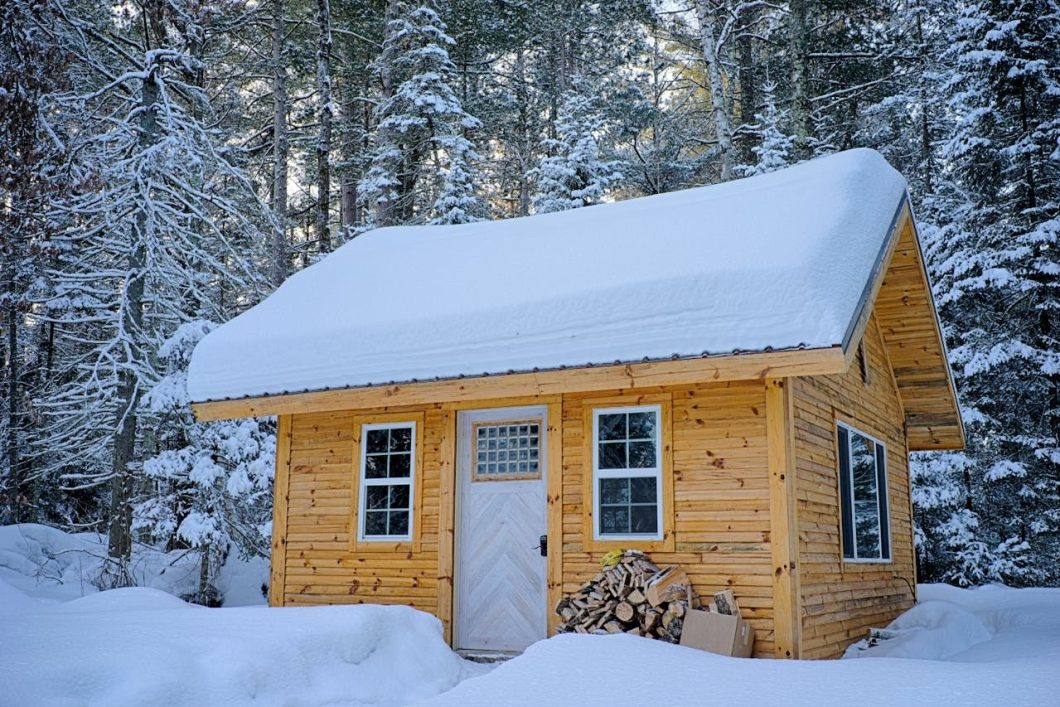
A tiny home can prove to be a worthy investment. Whether you’re looking to own a small romantic getaway in the Berkshires or plan on crafting a unique vacation rental space, you’ll likely have to renovate the unit to fit your specific needs. When remodeling a tiny home in remote locations, there are a few things you’ll have to account for to ensure safe and successful project completion.
Crucial Questions to Answer Before The Renovation Process
Though you may be excited to jump into the renovation, consider the following before making any plans for your tiny home.
Why Am I Renovating?
Think about your purpose for renovating your tiny home. Since tiny homes offer limited square footage, you must consider what you want to do with the space and make it as functional as possible for its intended purpose.
Why you are renovating determines which renovations you choose to implement. For example, if you are planning on using the space for short-term vacation rentals, you’ll want to focus on providing enough comfortable sleeping space for multiple guests in a way that doesn’t make the home feel tight and cramped. Doing so might include installing a Murphy bed so guests can fold the bed into the wall during the day.
What Can I Realistically DIY?
Tiny home DIY projects are one of the best options for saving money during your renovation. There are plenty of feasible things to renovate yourself with minimal experience and a bit of research, such as:
- Painting, adding wallpaper, and installing molding;
- Installing new cabinetry and shelving;
- Flooring installation;
- Exchanging hardware and fixtures on lights and doors.
However, without proper experience, many projects within the home can be too unsafe for you to navigate by yourself. If you’re inexperienced, here are a few projects you should avoid doing yourself when renovating the interior and exterior of a tiny home:
- HVAC repair;
- Electrical work;
- Tree removal;
- Extermination/pest removal;
- Plumbing;
- Roofing repair & installation.
Since these projects are essential to the function of your tiny home, it can be helpful to focus on completing them first before moving on to DIY renovations. This is especially true if you plan on renovating your tiny home to sell or rent it out as a vacation space for guests. Upgrades like installing a new roof enhance curb appeal, increase energy efficiency, and provide many other benefits as well. Different locations and the structure of your tiny home may yield different project completion times for things like roofing and plumbing, so be sure to consult with a professional to learn more about the complexity, timeline, and cost of the task.
How Can I Get Building Materials To The Location?
When performing renovations in remote areas, it can be difficult to get materials delivered to you by certain companies. So, you’ll likely have to invest in renting a form of consistent, reliable transportation that allows you to pick up these materials from stores and warehouses and bring them to your renovation site.
Working with local manufacturers and vendors can be helpful, so you do not have to struggle to bring the necessary materials to the renovation site, which can be quite expensive over time. Using local vendors also prevents project delays as you wait for the materials to arrive.
Safety Factors to Consider When Renovating a Tiny Home
Safety should always come first during a renovation. In remote locations, where medical assistance isn’t nearly as accessible, working with heavy machinery, sharp tools, electricity, and chemicals can prove especially dangerous. These locations likely have a good deal of foliage, so even a small accidental fire can quickly grow into a tragedy.
Because of this, you should have both safety and emergency plans in place. Your renovation safety plan should include proper waste disposal mechanisms, avoidance of flammable paints and other items, no smoking, and accessible fire extinguishers. There should also be a first aid kit on site. An emergency response plan should detail how to access emergency services, along with creating a short list of the nearest medical facilities for proper treatment. Review safety guidelines developed by prominent organizations like OSHA, which offer webinars and other digital events that detail best safety practices for your industry.
If you are building a brand new tiny home entirely, you should also make sure these small units are permitted by the town you are building in. Obtain the necessary permits before beginning the building process and check in to see what the requirements for constructing a tiny home are in that town or county. For example, in Massachusetts, Nantucket County allows for small homes that are under 500 square feet, but the home must be on wheels. However, in Middlesex County, tiny homes are only permissible as Accessory Dwelling Units (ADUs), and both the main home and the ADU must belong to the same person.
Now that you have a better understanding of what it takes to make safe renovations to a tiny home, you can start fleshing out your projects today! Always reach out to a professional before starting any DIY projects you’re unfamiliar with, as it will prevent you from wasting costly materials or damaging the environment around you.
Image Source: Pexels