Hale for the Ohana

Hale Ulu

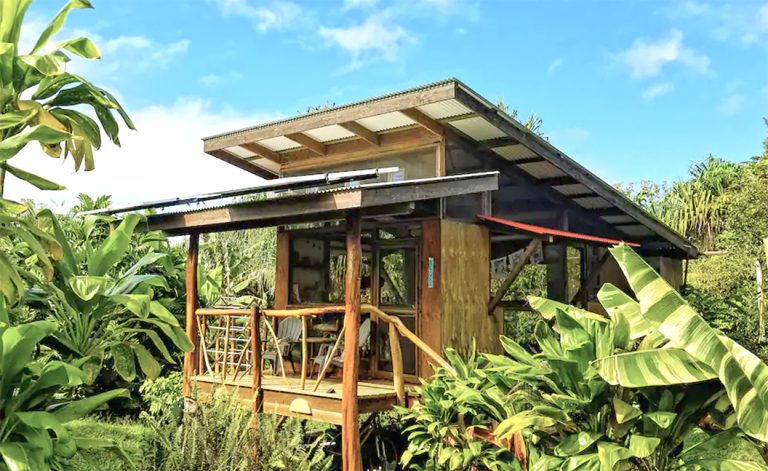
Like other historical homes around the world, the homes of Hawai’i were traditionally very small. The hale (pronounced HAH-lay) were the structures built by 19th century Hawai’i islanders and were made of local wood and topped with bundles of pili grass to protect it from the rains. A traditional hale … Read more

5 Ways to Make a “Big” House Smaller

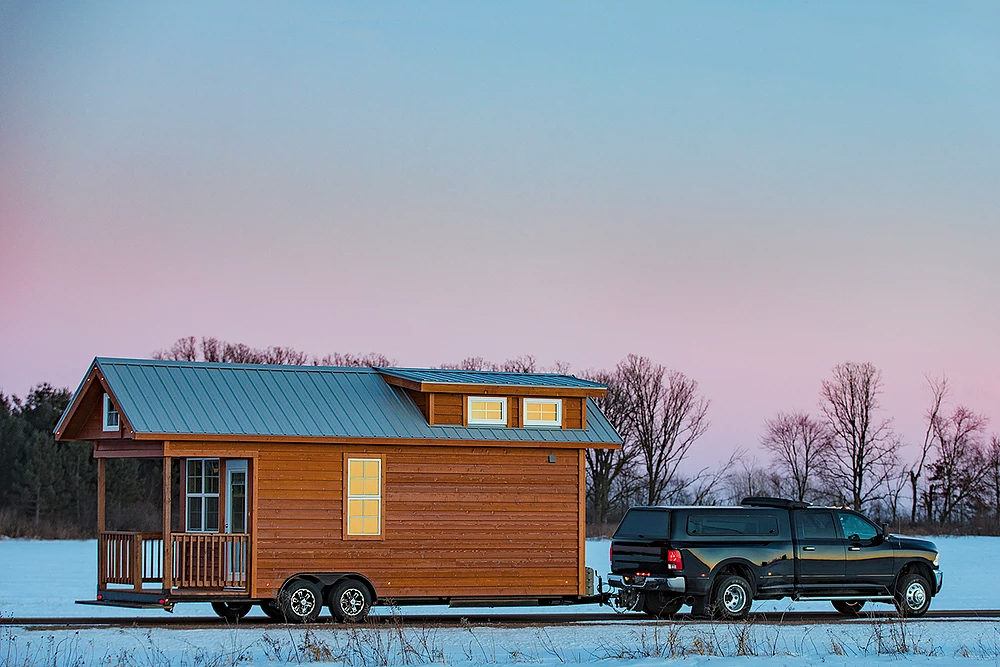
Forbes recently posted an article titled, “5 Ways To Make A Small House ‘Bigger’”. We think it should be the other way around. More traditional homes need to be designed to accommodate an elderly parent, an adult child, or rental option to combat rising housing costs. Garage conversions and other … Read more

Moroccan Tiny Houses

After the beautiful country of Spain we headed down to the culturally fascinating country of Morocco. This small part of Africa is home a large coastline, parts of the Atlas mountains and touches on the nearly 3.7 million square mile Sahara desert. In these wild areas that seem to be … Read more

Tiny House in a Landscape

Irish Vernecular

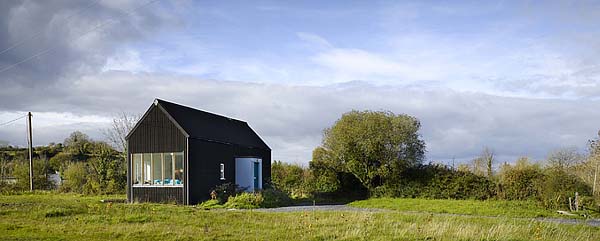
This week’s Tiny House in a Landscape comes to us from the little country of Ireland. I had the privilege of visiting Ireland last summer and it is one of the greenest places I have ever seen. Known as the Irish Vernacular this home was built in the traditional style … Read more

Fijian Bure

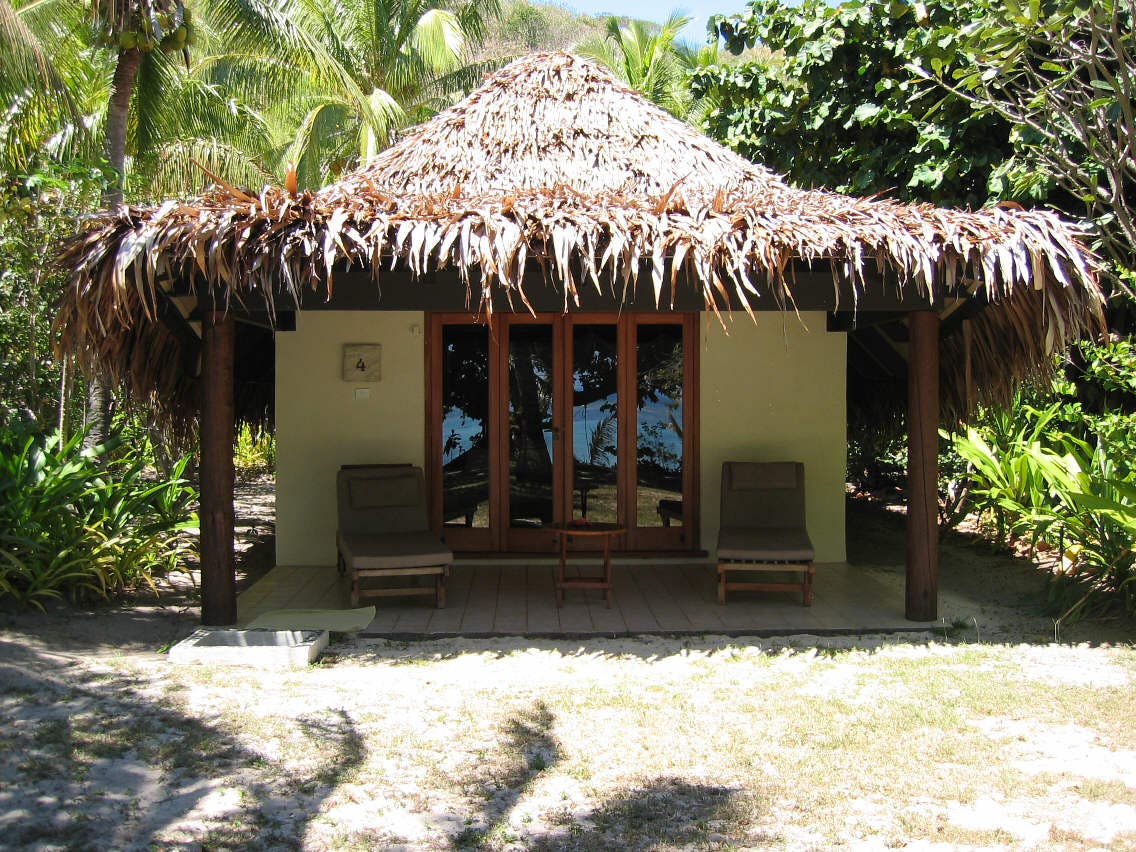
I (Christina) recently got back from a trip to Vanua Levu, Fiji and got to experience life around the tiny Fijian cottages called bures (pronounced bur-ray). The traditional Fijian bure is a wood hut with a straw roof and usually no heating or air conditioning. The structure is cooled by placing windows where there is a cross-breeze. Bures are sometimes built with whatever is on hand in the local area.
Bures are used in Fijian tourism as travelers’ cottages or small resort structures. They are usually eco-friendly and powered by solar and with rainwater or spring-fed plumbing. They can range in sizes, but most of them are one-room structures. Because of the heat and humidity of the area, most time is spent out on a large, covered deck at the front of the bure. Also, because of the amount of rainfall in the Fiji islands, many bures are built on stilts.

Inside most tourist bures are some simple furniture, but in traditional bures most villagers sit on the floor on handwoven mats made from the pandanus plant.

Read more