Single Story Modular Homes from Portugal

On a recent trip to Portugal, I came upon a company bringing small, modular homes to the Iberian Peninsula. Not only are these little homes mobile and portable, but they also have a simple, clean style that can fit any desire and location. Casa DIFF is a Portuguese company designing … Read more

Glamping in Style at Rancho Rustico

If you are tired of the snow and cold of winter, take a few peaks at the wonderful, warm scenery and tiny glamping pods of Rancho Rustico. This yoga and fitness retreat in the Costa del Sol in Spain has several glamping options in the mountains of Andalusia including a … Read more

Sacromonte Caves

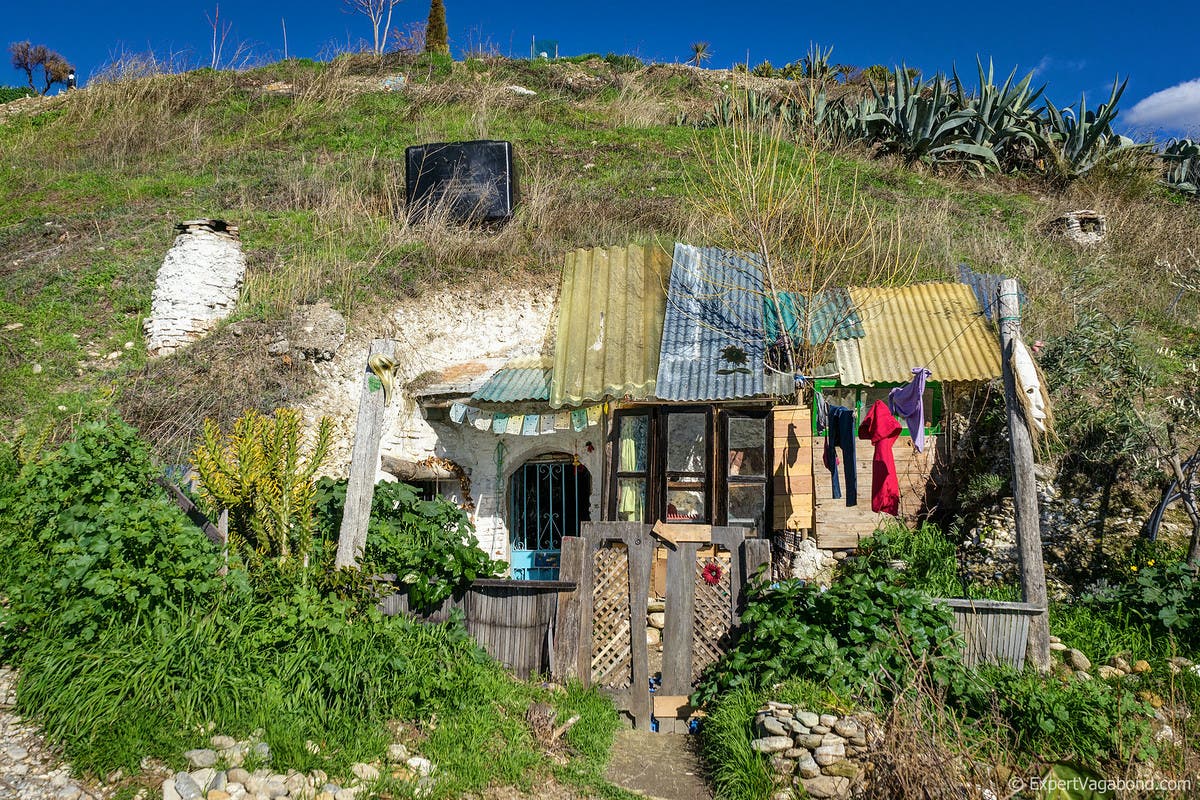
Continuing down from the land of the hórreos in Asturias, the southern region of Andalucía has its own rustic shelters that—instead of sheltering corn and hay—have become homes for modern nomads. The Sacromonte neighborhood of Granada has a series of caves that were once inexpensive homes for the city’s Roma community … Read more

Spanish Hórreos

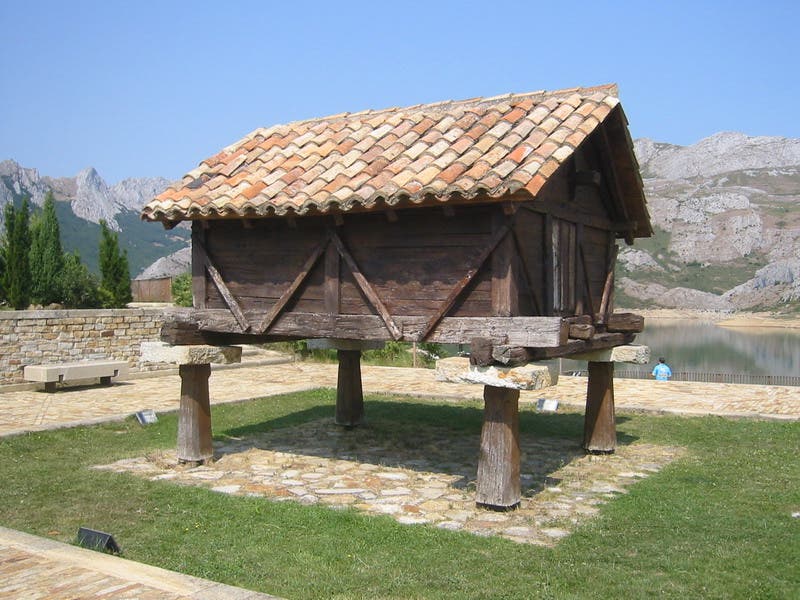
Last week I made my first trip into Spain to visit friends and spend some time exploring the land of tapas, paella and mountain villages. While on a trip to the region of Asturias in the north part of the country, we made a game of calling out each hórreo … Read more

The Truffle

While this strange, tiny house is far from a cozy Hobbit home, it is intriguing. The experimental Truffle, by the Spanish architecture firm, Ensamble Studio, was built on the Costa da Morte over the course of several years using an interesting mix of local soil, hay bales, concrete and a … Read more

Fab Lab House

A house designed to act like a tree has recently won the Solar Decathlon Europe people’s choice award. The Fab Lab House, created by the Institute for Advanced Architecture of Catalonia (IAAC) was visited by over 20,000 people during the event in Madrid, Spain. The Fab Lab House uses the sun, water and wind to create a micro climate that passively optimizes the basic conditions of habitability within the home.

The house was designed to act like a tree that captures energy with its solar “leaves” and sends it down to its roots, where is stored, shared, or returned to the house to produce the fruit of electricity. The house contains a “domestic metabolism” that provides a detailed real-time monitoring of its behavior and its interaction with the environment, creating historical profiles and sharing them socially.

The design of the Fab Lab house has been compared to both a boat and a peanut and has been called a “cinnamon submarine,” “forest zeppelin” and a “whale belly”. The house has also introduced significant technological innovations such as the world’s most efficient flexible solar panels, made with both Spanish and American technology. The project involved architects and experts from 20 countries as well as experts from MIT.

Read more