Charleston Tiny House

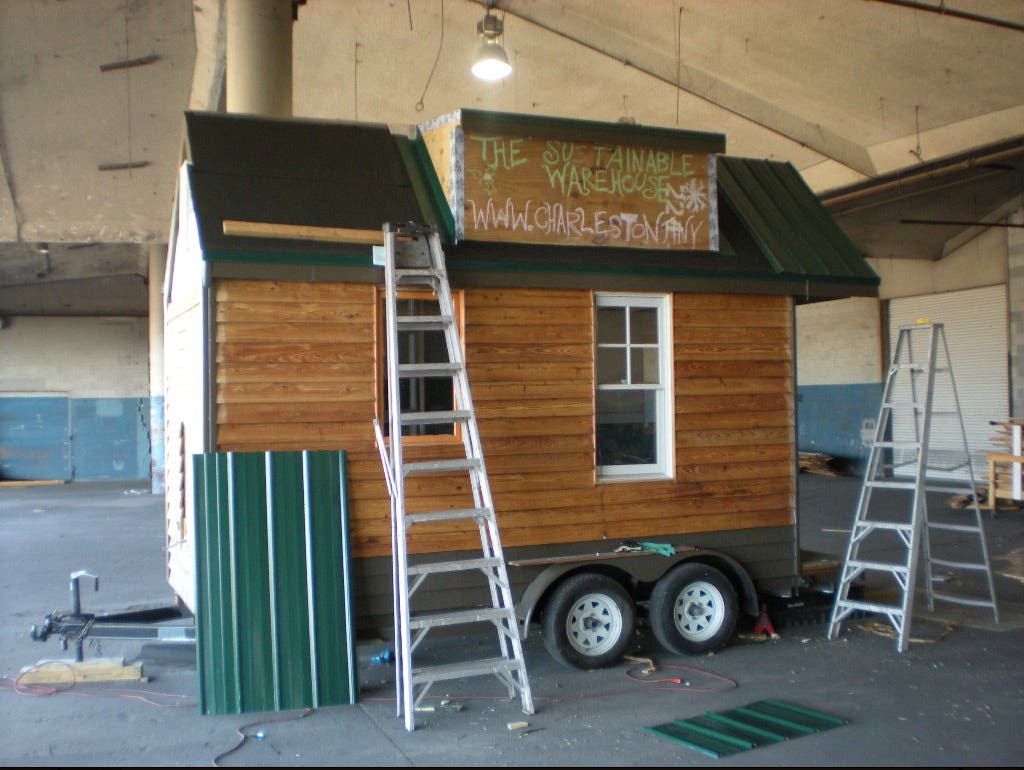
Andrea Tremols and Cedric Baele of Charleston, S.C. spent a year researching tiny homes at their local library and on the web before they decided to actually build one. Then they tore it down and started over. The couple is attempting to build the house out of 90 percent reclaimed lumber and materials while still utilizing every bit of space they can in order to obtain their ultimate goal of more conscientious living on the Earth.
After graduating from college, the couple lived communally as organic farm volunteers in Europe. As a child in his native Belgium, Cedric lived on a 38 foot steel sailboat, and after school he lived in a re-built 27 foot sailboat in Charleston Harbor. So the 200 square foot home they are building will not be a far stretch. The couple (Cedric is a seasonal bicycle tour guide and Andrea is a Spanish teacher) also knew that they did not want to go into 30 years of debt for a home during an uncertain economy.
Read more

Fijian Bure

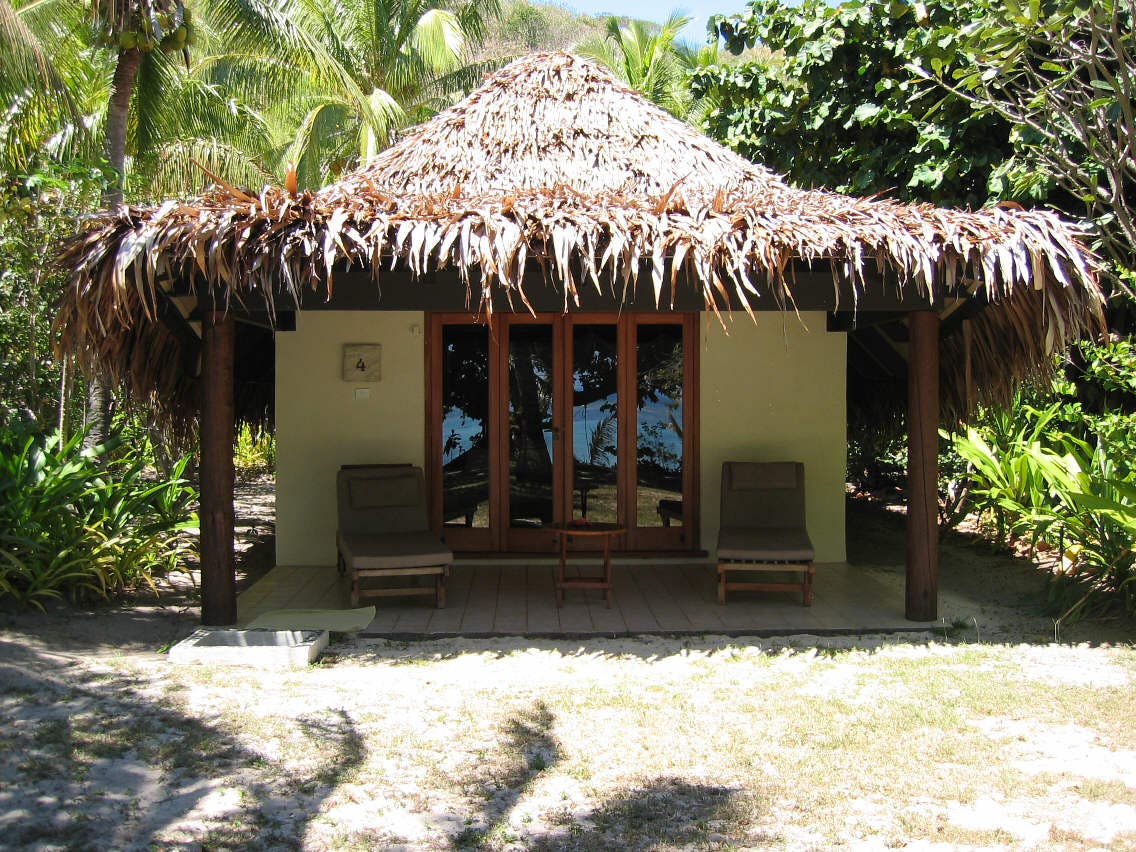
I (Christina) recently got back from a trip to Vanua Levu, Fiji and got to experience life around the tiny Fijian cottages called bures (pronounced bur-ray). The traditional Fijian bure is a wood hut with a straw roof and usually no heating or air conditioning. The structure is cooled by placing windows where there is a cross-breeze. Bures are sometimes built with whatever is on hand in the local area.

Bures are used in Fijian tourism as travelers’ cottages or small resort structures. They are usually eco-friendly and powered by solar and with rainwater or spring-fed plumbing. They can range in sizes, but most of them are one-room structures. Because of the heat and humidity of the area, most time is spent out on a large, covered deck at the front of the bure. Also, because of the amount of rainfall in the Fiji islands, many bures are built on stilts.

Inside most tourist bures are some simple furniture, but in traditional bures most villagers sit on the floor on handwoven mats made from the pandanus plant.

Read more