
I don’t normally buy cookbooks, but during a recent trip to Alaska, I picked up the delightful cookbook “My Tiny Alaskan Oven” by LaDonna Rose Gunderson. LaDonna is married to a Norwegian fisherman and she and her husband, Ole, live for five months out of the year on their 32-foot commercial fishing vessel in Ketchikan.
boat
Tiny Floating Homes: CHANCE
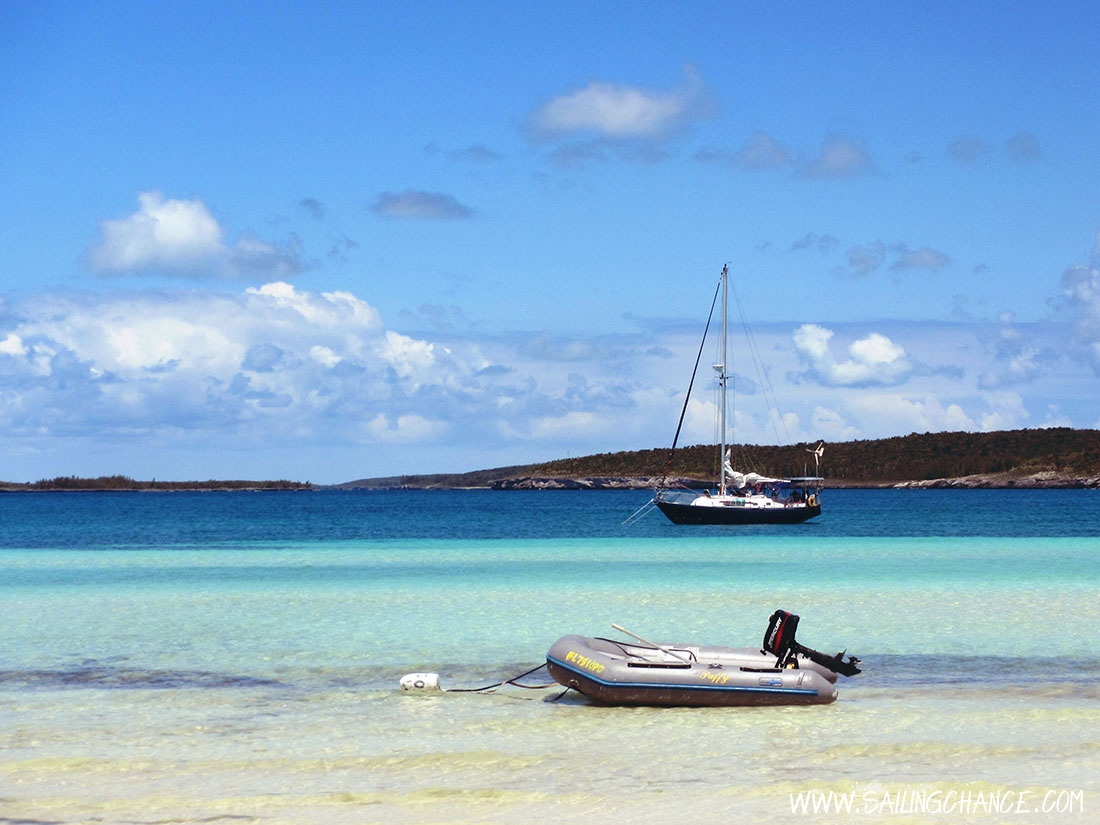
Jason and Kelley are a young couple with a familiar story. They decided to buy a boat, sell all their belongings, quit their jobs and sail away with their two dogs in an adventurous new life at sea. They traded in the corporate life and their very tiny 244 sf Brooklyn studio … Read more
Baking on a Boat
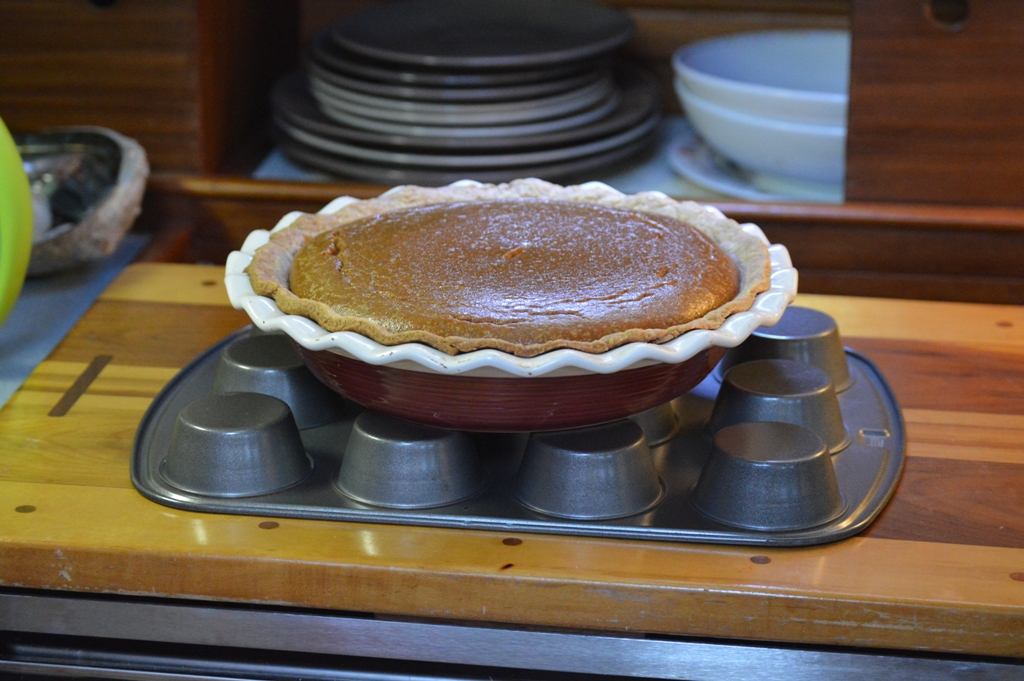
Last week Andrew Odom did a great post on Baking in a Tiny House. There are many similarities between the kitchen of a tiny house and the galley on a boat. It was quite an adjustment to get used to but over the last year I have learned how to … Read more
Boat Life Isn’t Easy

Our first year of living on a boat has pushed me both mentally and physically, more than I ever could have imagined. Peter and I love the life we have chosen, but we definitely have our challenges too. “You don’t know your strength until you know your limits” -Peter Pieschel, 2014 … Read more
Tiny Floating Homes: Dos Libras

Tiny Floating Homes: Dos Libras Last week I shared a personal story about one of my Favorite Things I brought with me when moving onto a sailboat last year. Inspiration for that post came from my friend and fellow cruiser, Tammy. Now I’d like to give you a little perspective … Read more
Tiny House Tub (or boat for those of you without sea legs): Part 2

When we last talked about the legacy of live aboard boats to the tiny house world we were in the 15th century talking about the sailing vessel. But as the Age of Exploration began to decline and trade routes had been firmly established speed became a major concern as captains, … Read more
Tiny House Tub (or boat for those of you without sea legs): Part 1

AUTHOR DISCLOSURE: I have never lived on a boat. I have never spent more than the 12 or so minutes it took me to get sick to my stomach, on a boat. I know nothing about boats other than I once got on one and was sick within 12-minutes. Boats … Read more
Misty Tosh’s Houseboat

The Tiny House Blog has featured the dynamo Misty Tosh and her travel trailer before, but now the intrepid TV producer and traveler has a new home and project — a three-story houseboat in Marina del Rey named Flo. While the boat is not necessarily tiny (for tiny, check out … Read more
My Boat Roofed Shed
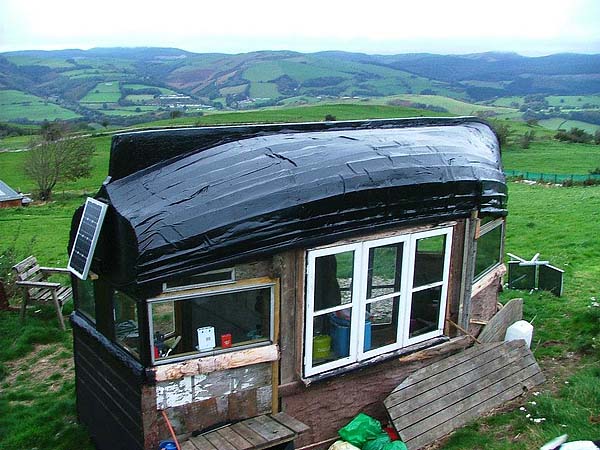
The shed roof is made from a clinker built boat that is 14ft long and 7ft wide at its widest point. The boat is an inshore fishing boat made between 1900 – 1910. It was placed on a frame of 4 telegraph poles with cross beams. Once in place the … Read more
My “House Boat” : The “Y-knot?”
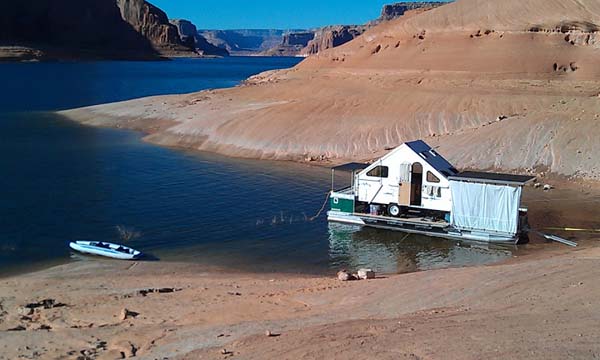
by Ron Miller My “trailer on a toon” project came to fruition one evening while sitting in my backyard with my wife discussing some of the more memorable vacations we had. We both agreed that our recently purchased Chalet hard sided folding trailer was a great deal of fun, but … Read more
Tugboat Tiny House

by Juliann Tallino
We weren’t looking to buy a boat, we definitely weren’t looking to buy a tugboat, we were just looking. We have a home in Port Townsend, Washington but the commute into the city for work was too much to do everyday, so at the time we were renting a house in Ballard (a neighborhood of Seattle). It was a nice house in a great neighborhood, but we really weren’t keen on being renters. When we saw the tug on craigslist we were just curious, but once we looked at the boat we realized we could stop being renters and have a place of our own in Seattle. A place on the water with a million dollar view.
The tug needed a lot of work, the decks needed to be replaced, the interior needed to be completely renovated, and the whole boat was in dire need of a coat of paint. But both my husband and I are comfortable with working in wood, so we decided it was a project we could handle. At first, my husband was worried the space would be too small for the two of us. I work at home and he thought I’d go stir crazy in such tight quarters. But when I thought about how much space I actually used in our rental house, I knew we could make it work. I think most people live in just a small part of their house, the rest of the space is taken up with storing stuff. Luckily we didn’t have a great deal of stuff. So two weeks after seeing the ad on craigslist, we bought a vintage wood tugboat, the Iver.
Bumfuzzle Plus Two

Pat and Ali Schulte have been profiled on the Tiny House Blog before when they lived the nomadic life on their 35-foot catamaran and in their 1958 Volkswagen panel van. Now they are in the process of fixing up a 43-foot Spindrift sailboat and living on it with their two children: 16-month-old Ouest and another one who is on the way.
Their comprehensive and beautiful website profiles their living and working on the boat with a child in tow. They purchased the Spindrift in the San Francisco Bay area, and are living there until they can get the boat ready to sail down to Mexico. They purchased the boat for around $40,000 with money they saved up while working, and are doing much of the boat repairs themselves. For additional income Pat also does some day trading and they have written a book on their around the world sailing adventure.