

Smart, Sustainable, and Do-It-Yourself Cooling Solutions for Your Home
Shireen Shaw wrote this article for the Tiny House Blog. Shireen’s bio is at the bottom of the article.
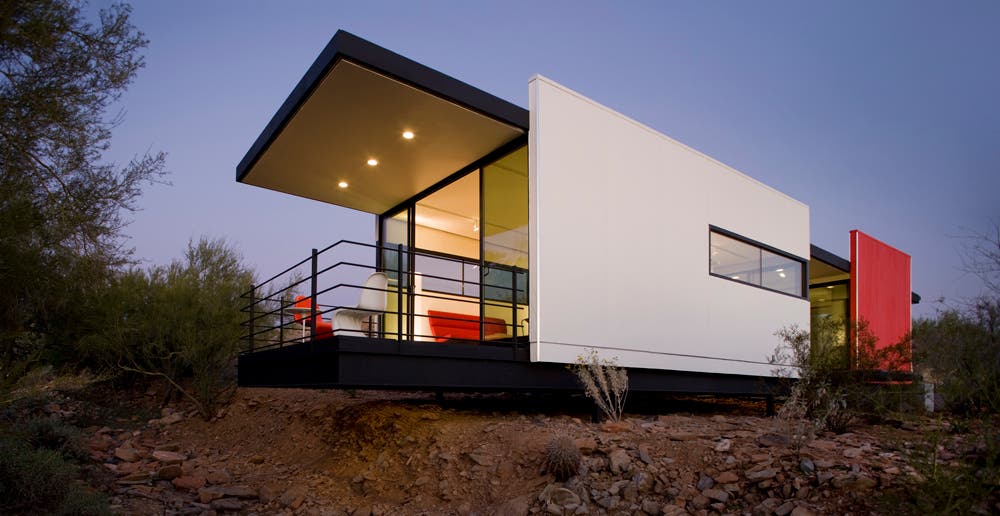
With cooling costs being so high, especially in light of recent energy crises, it makes sense to start looking for more economical approaches for cooling. However, dwellers of smaller spaces (about 250 sq ft – 925 sq ft) face additional problems when it comes to cooling. Not only do smaller spaces often not include central air conditioners, but even with smaller homes on the larger end of the spectrum are wasting both energy and dollars in over-cooling a small space through central AC usage.
The best option for small spacers is to invest in a portable ac. Portable mobile cooling units provide more specific spot cooling at pennies to a dollar compared to traditional systems. But even with portable cooling units, there are additional clever tips you can utilize to reduce in-home heat. First you should know that there are two types of cooling: passive cooling and active cooling. Active cooling is direct cooling, such as use of a portable, window, or central AC unit, including evaporative coolers. Passive cooling is what we’ll discuss here, which are indirect ways of cooling your home.
Types of Passive Cooling
Window Shading and DIY Awnings – As much as half the heat in your house can come from unshaded windows. The sunny day heat gain from a hundred square feet of eastern or western facing windows is equivalent of running your heater for several hours. Window shading, set up as a canopy outside your house and above the window, blocks the heat from penetrating into your home. There is also the option of window awnings, that resemble umbrella-like structures over a window to provide additional protection against heat. Unlike window shades, awnings are retractable, which allows for additional exterior options.
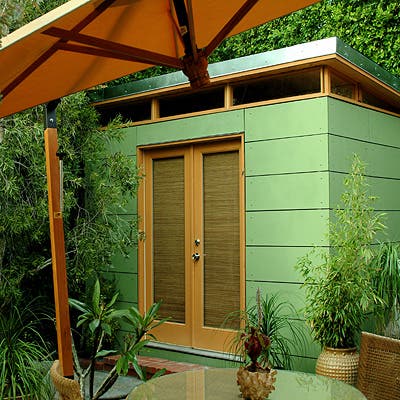


Reflective Barriers – Reflective barriers are placed behind solar screens. The advantage of this set up is that it blocks incoming solar radiation while still being aesthetically pleasing.
DIY Rollup Shades – These shades are some of the easiest types around and great for DIY projects. The materials are relatively inexpensive, easy to get, and easy to make. It takes next to no time to make a great patio, porch, or window covering. Some people even use a darker role up shade behind decorative curtains, in order to keep out morning sun or keep rooms cooler during hot summertime weather.
Living Wall System – A living wall system is a panel of plants that when fully grown has the appearance of a wall. They can be created out of flowers, different plants or even hedge like structures. The greenery not only increases oxygen levels, but the wall also adds an aesthetic appeal and additional shading and cooling from the sun’s heat.
Shading Structures – Some of the smartest shading structure designs were German entries in the 2007 Solar Decathlon. The structures are similar to walls of shutters running along the outer perimeter of the home, create a hallway space around the home. The space is also covered by another panel of shutter like panels. These shading systems can be used on both the eastern and western exposures and are covered with energy-utilizing solar panels.
DIY Cloth Pergolas– DIY pergolas are simple patio covers, and most are easy to make yourself.
Cool Metal Roofing – Used for centuries, reflective metal roofing can keep your house cooler and save on cooling bills. Depending on the finish, these types of roofs offer enhanced energy efficiency through solar reflectance and infrared emittance properties. Cool metal roofs are also EPA Energy Star approved.
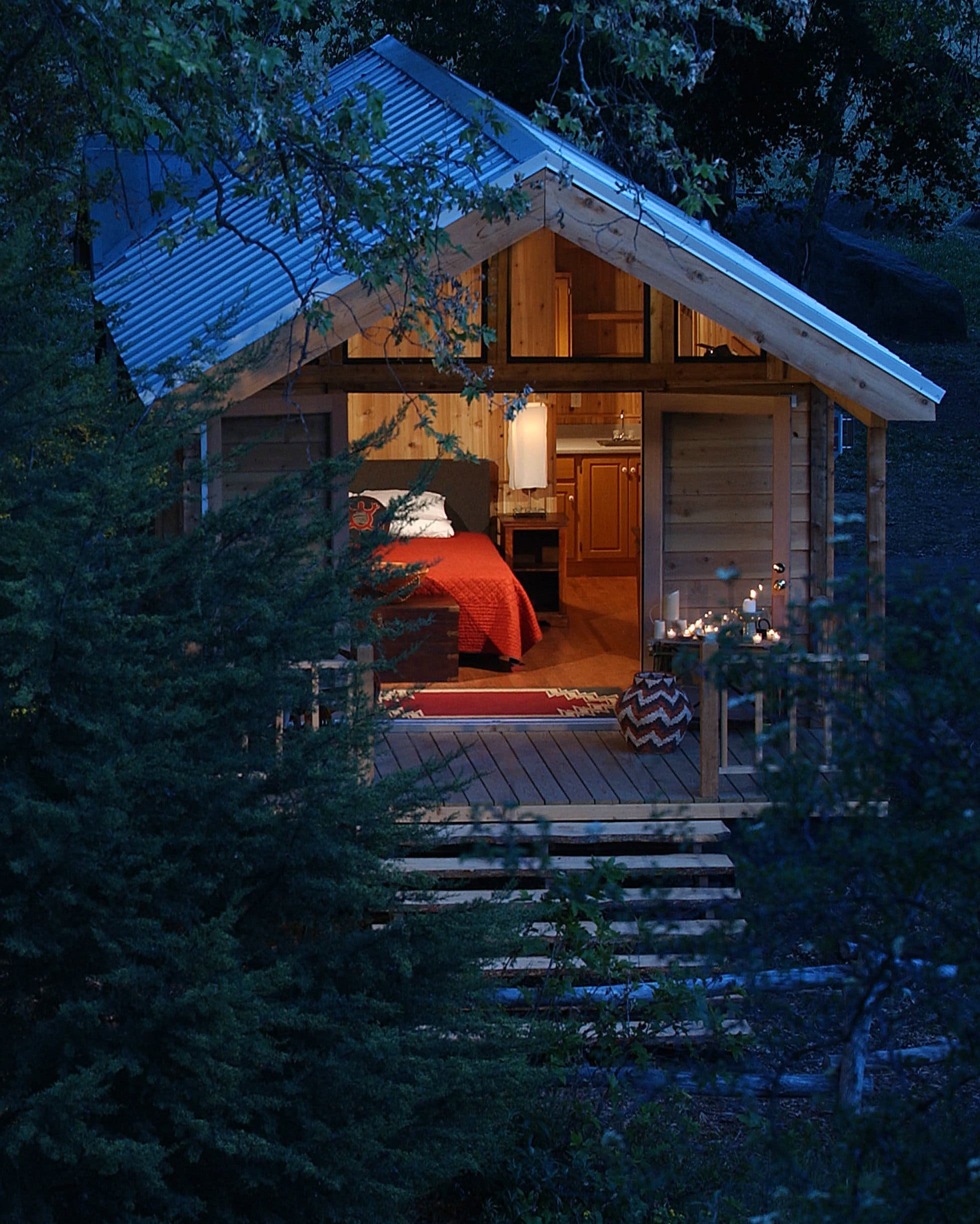
All these ideas will help limit the amount of heat entering your home, but for the heat already in your home, invest in a portable air conditioner.
Shireen Shah is a writer with http://www.air-conditioner-home.com. Follow her on Twitter @AirConditioners
If you enjoyed this post, subscribe to our feed