


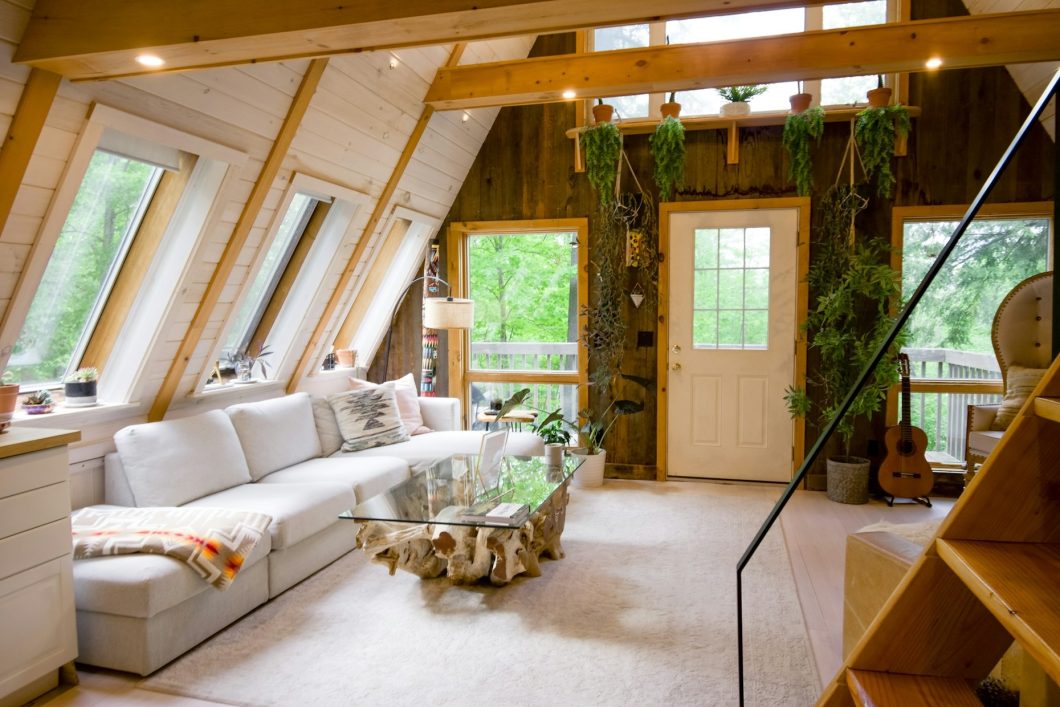
Cozy rental spaces are big business on rental sites right now. Folks who are looking to get away from their daily lives are flocking to cost-effective, tiny spaces that are well-appointed, stylish, and provide a perfect base for a short-to-medium length stay.
Turning your tiny home into a vacation rental business may be lucrative, too. You can earn some extra income by renting out a converted barn or shed and may find that your tiny rentals lead to big returns.
However, before you start converting chicken coops into one-bed rentals, you need to consider the practicalities of the project and the legal restrictions in your area. This will help you avoid hefty legal fines and will ensure that your rental business gets off to a booming start.
Starting a Tiny Home Rental Business
If you already have a tiny home on an existing site, the idea of turning it into a profitable vacation rental is probably rather appealing. You can earn a solid secondary income from renting the space and may find that hosting holidaymakers can become a full-time gig. However, before you set up a listing on Airbnb or Vrbo, you need to consider the legal and practical factors of starting a tiny home business, including:
- Zoning: Local zoning ordinances will have tight restrictions that dictate what you can and cannot do on your land. Before building a tiny home, gain the right permissions and apply for any special permits that your state may require.
- Choose a Business Structure: As a rental owner, you’ll likely want to opt for an LLC structure if things go sideways. Consult a financial advisor during this step, as they will be able to choose the right business structure for you.
- Insurance: You’ll need hefty insurance before you start renting your space to guests. One trip on a loose tile could be costly, and you will want to cover your investment lest guests damage your property.
- Marketing: Folks need to know that your property exists before they start booking you up. If you have the skills, take plenty of photographs and videos of your new tiny home listing on a sunny day when the property is looking its best.
Following these steps will help you avoid legal trouble while maximizing your ROI. If you’re ever uncertain of your legal status, consult with a professional who can help you make better-informed decisions. As the cash starts coming in, reinvest some of your profits into landscaping and internal improvements. This will ensure your property remains profitable and will help you set aside funds for future conversions.
Converting Existing Structures
Turning a pre-existing structure on your land into a tiny home for rental purposes doesn’t have to be challenging. In fact, you may find that the DIY project is both fun and profitable. For example, once you’ve received the permits you need, you can turn a shed into a tiny home today by:
- Choosing a location that will be easy to connect to your utilities later on
- Laying a solid foundation for the structure
- Sealing cracks to waterproof the space and properly insulate the property
- Connecting the utilities (power, water, and sewerage are a must)
- Considering smart plumbing solutions such as touchless faucets to conserve water and increase value
- Cleaning up the interior with stylistic choices that appeal to your target market
- Finishing the external space with flowers, siding, outdoor lighting, and other decor
Taking these steps will dramatically improve the quality of your tiny home and may help you land higher-paying guests. Even cost-effective changes, like repainting the shed’s exterior or adding some well-stocked plant pots, can enhance your overall look and increase the popularity of your spot.
Financial Considerations
Finding ways to maximize the profitability of your tiny home vacation rental is key if you live in an area that experiences seasonal fluctuations in tourism. However, minimizing your costs and maximizing your profits can be tricky if you’re new to the world of real estate and rentals.
If you already have an investment portfolio of tiny homes and are considering selling in order to create a new tiny home vacation spot, consider working with a financial advisor who can guide you through a 1031 exchange. A 1031 exchange is a tax-deferred exchange that allows you to switch investment properties without incurring capital gains. You effectively reinvest the money you raise by selling your investment pieces and may be able to defer taxes until a later date.
However, it’s important to note that not all property types qualify. This is why it’s crucial that you work with a financial advisor who is well-versed in hospitality, real estate, and tiny home rentals in your state.
Conclusion
Creating a vacation rental business with your tiny homes can be a great way to earn some extra income and break into the hospitality world. However, you’ll need to be prepared to carry out some DIY and maintenance while your business is in the early stages of growth. As your business grows, you’ll need to work closely with financial advisors who understand your goals and help you avoid hefty fees when expanding your portfolio.
Photo by: Unsplash