

Last week I made my first trip into Spain to visit friends and spend some time exploring the land of tapas, paella and mountain villages. While on a trip to the region of Asturias in the north part of the country, we made a game of calling out each hórreo we saw by the side of the road. It turns out that hundreds of these tiny historic structures, unique to the northern area of Spain and Portugal are surprisingly well preserved.
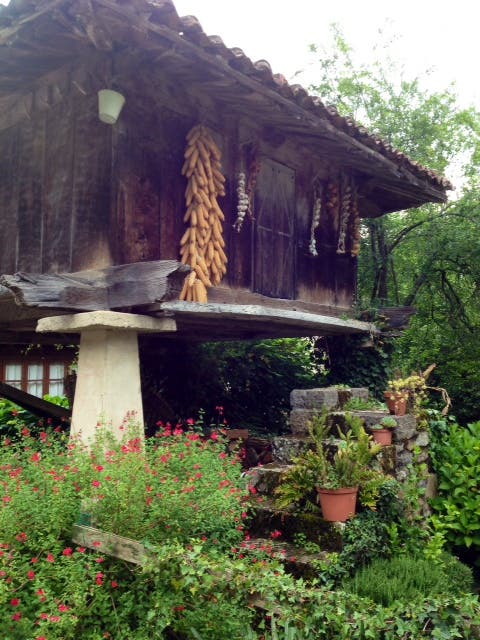
A hórreo (pronounced almost like the black and white cookie) is a granary raised up on pillars that has been used since the 15th century for storing hay for feeding animals. Hórreos are made of either wood or stone and have ventilation slits to keep the hay dry in this rain-prone area. The pillars were topped by a large flat stone called a “muela” which prevents rodents from getting into the hay. Small doors and staircases to access hay were also built into the side of the buildings.

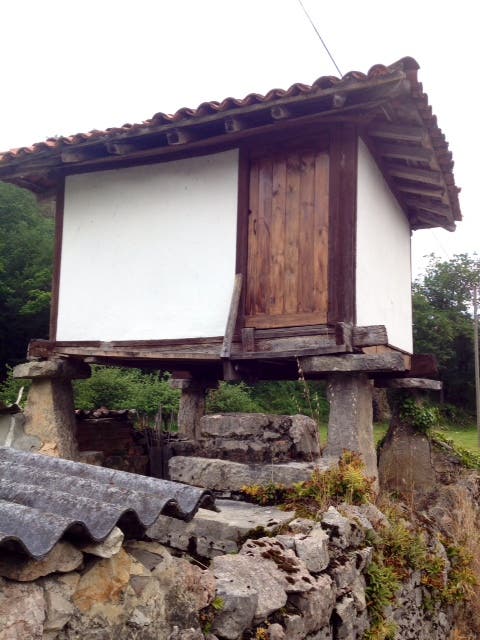
Many homeowners in the Asturias region have been working to preserve and maintain the structures not only for farm materials and firewood, but to use for garages (cars are parked under the shelter), for storage and potentially for tiny houses like this hórreo for rent in Villa Bajo, Spain.
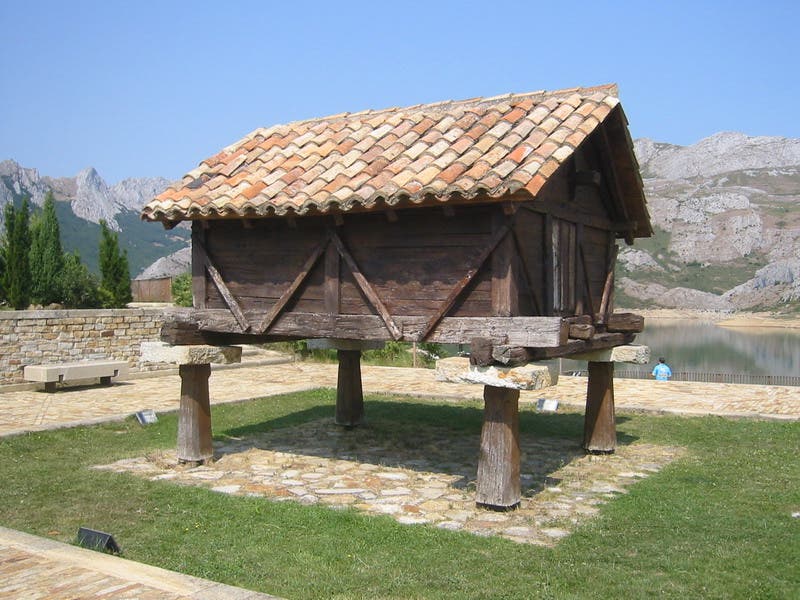
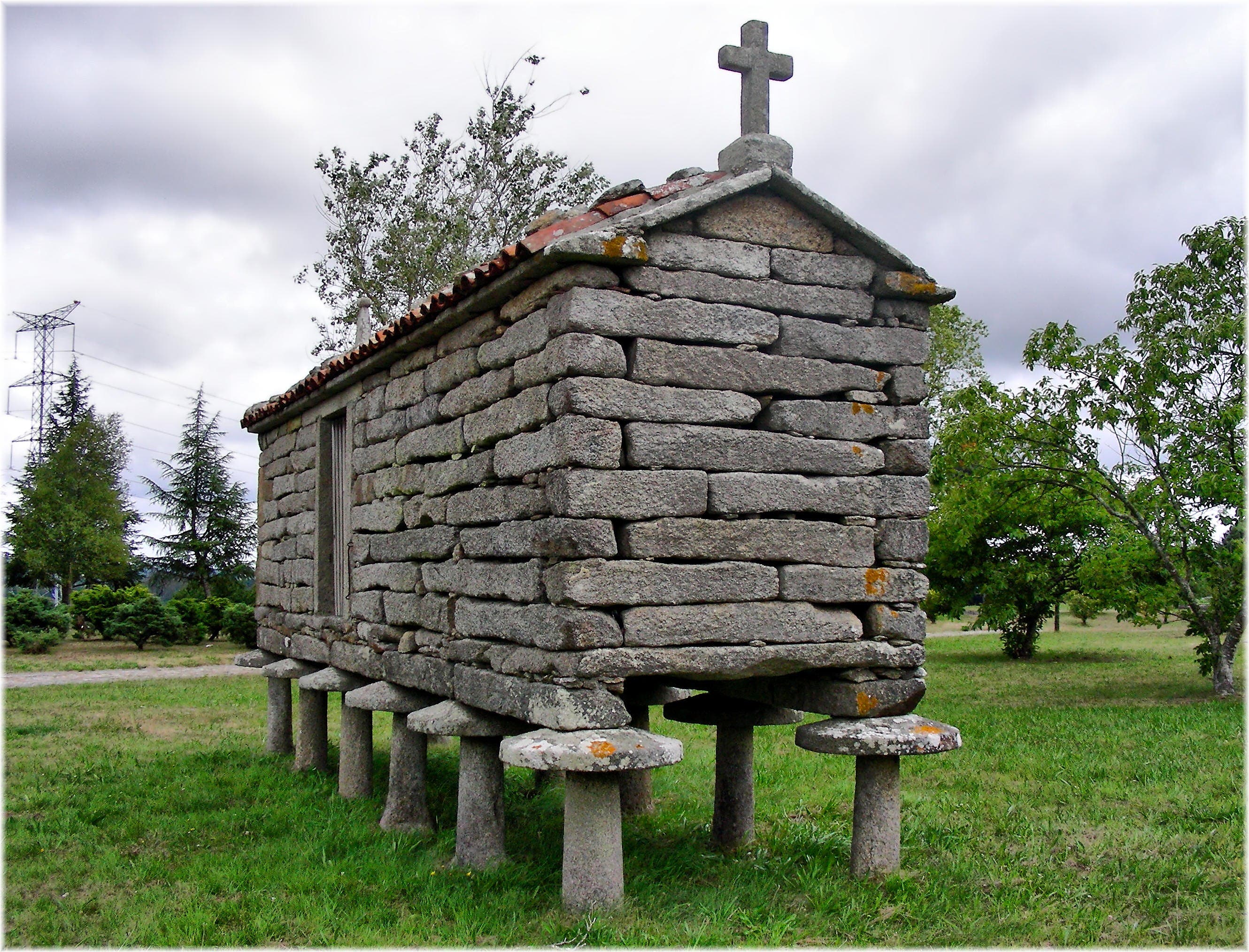

Photos by Wikipedia, Esacademic, Airbnb and Christina Nellemann
By Christina Nellemann for the [Tiny House Blog]