


By Hari Berzins
If you are interested in redesigning your lifestyle and achieving mortgage-freedom, check out Hari and Karl Berzins’ (tinyhousefamily.com) eCourse, Creating Mortgage-freedom. They are proof that families can successfully live tiny, and are excited to help other singles, couples and families realize their dreams of debt-free living. The winter session of the course is now open for enrollment and begins on January 24, 2015. Read about the course and register here.
Many folks question the long-term viability of tiny houses—especially for families. Can a family of four really sustain happiness in 168 sq. ft.?
There are many assumptions about tiny houses and the people who live in them. The curiosity abounds because we all have to live somewhere, and if we are going to live somewhere could it possibly be somewhere smaller? Or could we possibly live more efficiently in our current home? The underlying desire is a simpler, freer lifestyle.
I read a comment on this recent tiny house article; it’s a comment often made. “I’d love to visit these breadbox homes in three years and see if any of these people could stand it. I know I couldn’t.” So what does it look like in three years?


I can tell you. We’ve lived in our tiny house with our two kiddos for almost four years. Our little bread box of a home looks pretty much the same as it did when we moved in, except for the couch. We had to re-upholster that, and it needs to be done again. But the rest of the house is in good shape. The hardwood walls and floors were a great idea because we do beat this place up just by living so intensely in the space. But that’s not what she meant. Maybe she meant could we stand it. Are we still standing? What do we look like? Is our hair standing on end? Do we have permanent scowls on our faces? Are we even still alive?
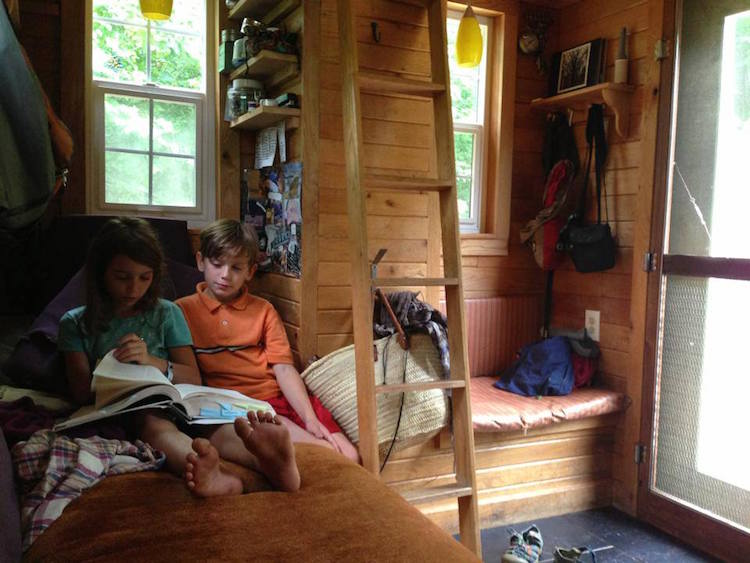
We do look different. The tiny house changed us. We’ve been transformed in the best way possible. But you probably can’t tell by looking at us. Well, except for the kids.
The idea that a family will outgrow a tiny house is true. When we embarked on our mortgage-free journey, we didn’t fully grasp the fact that our kids would get bigger. I mean double in size. It’s bound to happen, and yet, when those guys started taking up more of the couch, it caught us off guard. Now we still manage to watch family movies on the laptop, but it’s less comfortable than it used to be, but that’s okay; it just means our plan was a good one.
We knew we couldn’t (or didn’t want to) live in our tiny house with two teenagers, and our plan was to live tiny as long as it took to build a bigger mortgage-free house. It looks like four will be our magic number. (And it’s right on time since our daughter turns 12 this year.) Four years isn’t forever, but at the start of our second winter in the tiny house when we had just broken ground on the big house, it seemed like we would live in the tiny forever.

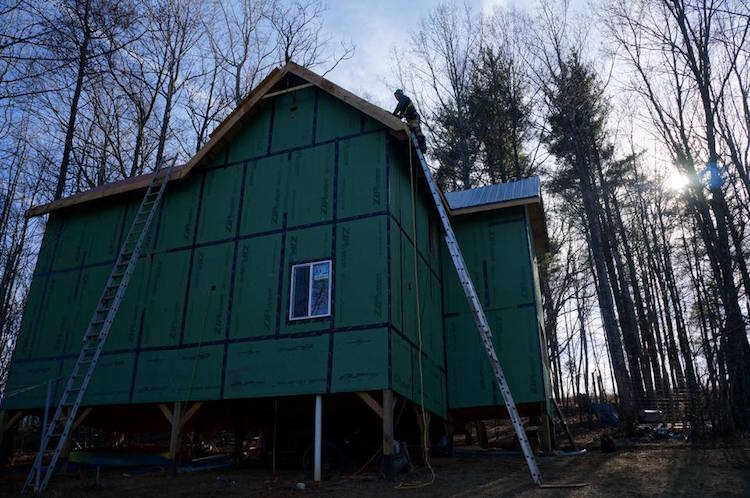
The slow and steady process of building dollar for dollar pushes us to the very edge of what we think we can handle. When Karl straddled the big house roof to put that last piece of metal on in an ice storm last winter, I couldn’t breathe. We finished work for the day and came back into the tiny house with our fear, frustration and worry. Would we have the money to finish the house? How in the world would we get the last rafter in place? Was this the dumbest idea we ever had? Ahhhh! Move over. I need a few more inches. Hang your coat up, honey. Why are these shoes always here!? I just need some quiet. Making it through the dark times together is character building and relationship strengthening. There’s a lot of joy in the pushing through and making it.


Since living in a tiny house with a family is hard, does that mean a family shouldn’t live in one? Nope. Heck, it’s been the best housing decision we’ve ever made.
We built our tiny house for $12,000 in materials costs. (That’s with a lot of salvage and Craigslist finds. We didn’t pay labor since we built it ourselves.) Rent costs $600-$800/month in our area, so we would have spent around $33,600 in rent over the last four years. Instead, we put that money toward building our tiny house and a larger mortgage-free home that will sustain us through the changes ahead. (We own our land and that cost isn’t included in this example. We explain our whole process and plan in our course Budgeting is a huge part of the process—we’ll help you with that.)
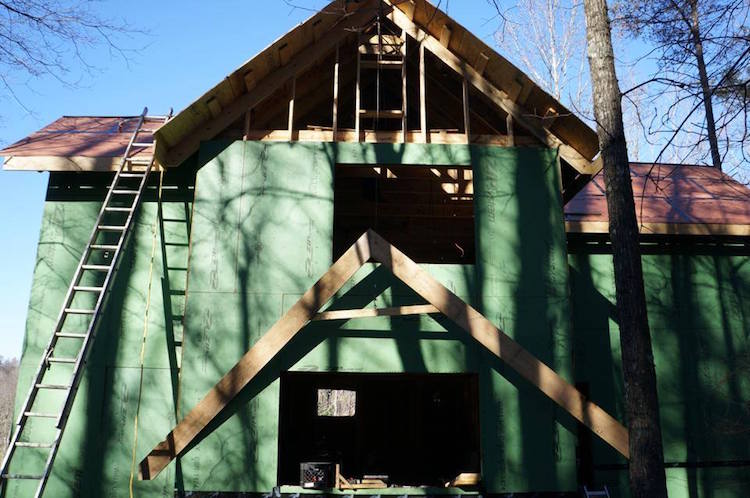

Our tiny house is a viable long-term solution because it is sheltering us while we build a bigger home that will serve our lifelong needs.
Most importantly, it was/is the ticket to our freedom, a homestead that will withstand the ups and downs of our future. This place can’t be taken away due to our lack of ability to pay. We’ve already paid for it. Rather than mortgage our future, we’ve chosen to work hard and sacrifice for a few years for peace of mind and freedom. This simple shift in thinking changes everything.
Maybe people who make these comments about long-term mean that a tiny house isn’t a good solution because you can’t live in it for the rest of your life. But you could. For the right couple or single, this home could be just perfect to live out a simple and satisfying life. These families have ideas about how to continue living tiny when their kids reach the teenage years.
Our tiny house is a viable long-term solution for us because our tiny house’s role in our family will change as we grow. I don’t think of long-term as something stagnant. We won’t live in this house for the rest of our lives, but we are building it into the big picture of our homestead. Its function will change as our needs do.

Once we finish the big house, our tiny house will become a bed and breakfast. We’ll meet people from around the world who are interested in alternative housing, mortgage-freedom, homesteading or just visiting the Blue Ridge Mountains. So we end up with two mortgage-free houses—one to live in and one to use as a teaching tool and income stream. It might even serve as a mother-in-law suite for part of the year. This little home just keeps offering possibility.
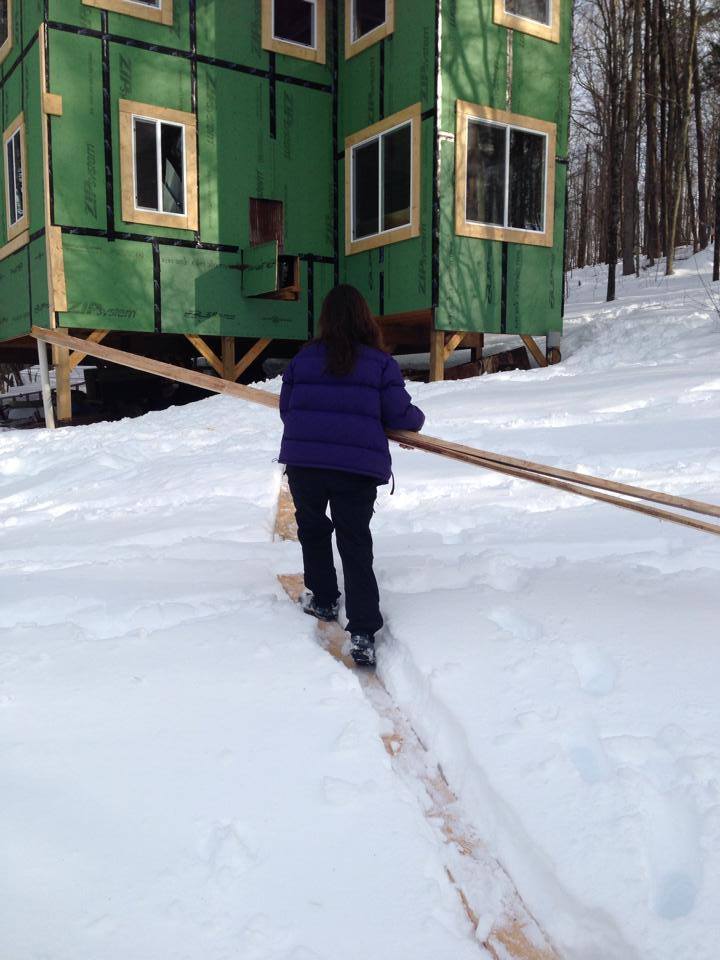

And we certainly can’t discount the education living tiny provides. Remember I said we’ve changed. Living tiny is a crash course in simple living. The lessons we’ve learned living in this little house will be with us until we die—it doesn’t get any more long-term than that.
Here are a few lessons:
- We’ve developed our own way of moving through family issues. Because the issues come up more often than they might in a larger house, we’ve become quite good at quickly working through them.
- We’ve learned to stay organized, put things away, clean as we go, deep clean often, sort, sift, and let go. This is part of our daily lives. I sorely needed these lessons, and we’re all much better housekeepers and homemakers thanks to the tiny house.
- We wait a long time before buying things. There’s probably already something around here that can be repurposed for our needs. Living with less and making use of everything we have is quite satisfying.
- We’ve learned to clean out the fridge weekly. Living with a dorm fridge might sound like a terrible punishment, but it’s actually been a great way to help us stay on top of what we have and eat it up before it goes bad which has made a great impact on our food budget.
Living tiny while designing and building a bigger house has been a great way to go. Since we stripped away the excess, and felt the joy of living with less, we wanted to only make room for what we love in our big house. What we love is making art, solitude and gathering with our friends. Our big house doesn’t have a lot of room for stuff. What we’ve designed is a home with just the right amount of space to create (artistic pursuits need space and solitude) and gather. Giant windows invite the outdoors in and allow less room for collections of stuff. Instead of collecting stuff, we’ll collect views of the changing trees and the sun’s path across the sky.
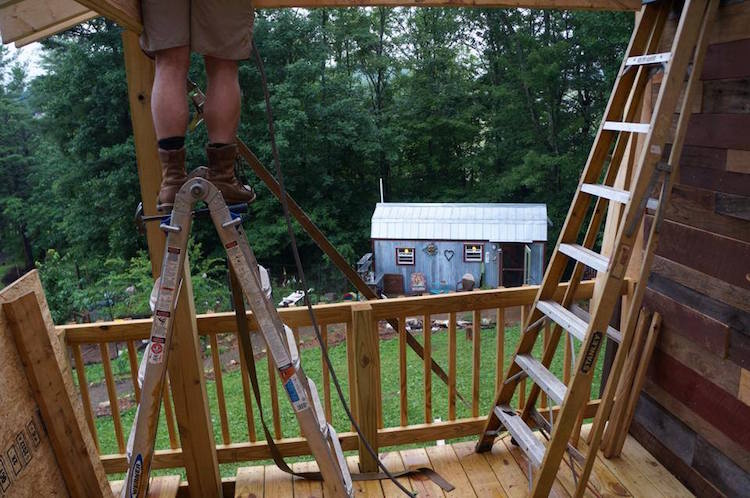
If you look at the slow and steady journey of building a mortgage-free homestead as one that will solidify who you are and make you a stronger, more resilient and compassionate person, then this road is for you. It’s hard and wonderful all at once. But when you are done, you get that freedom you long for.
So is a tiny house a viable solution for families? Absolutely! Do you have to live in it forever for it to be viable? No way. Life’s circumstances change and a tiny house is changeable, too. There’s no one way to live tiny. The key is staying in touch with your life and your changing needs. If you continue to honor them then you are walking your path with intentionality, and that’s a great way to live.


I’m deeply grateful for our tiny house even with all of the emotional and logistical challenges the last (almost) four years have provided. Building home is one of the most empowering things humans can do.
If you’d like to forge your own path to mortgage-freedom, we’d like to help you. Once you free yourself from a mortgage or rent, you free yourself to design life on your own terms. Who knows where it will lead you. But it will be a ride you won’t forget. Are you ready to start the walk? Check out our eCourse and enroll here.

